
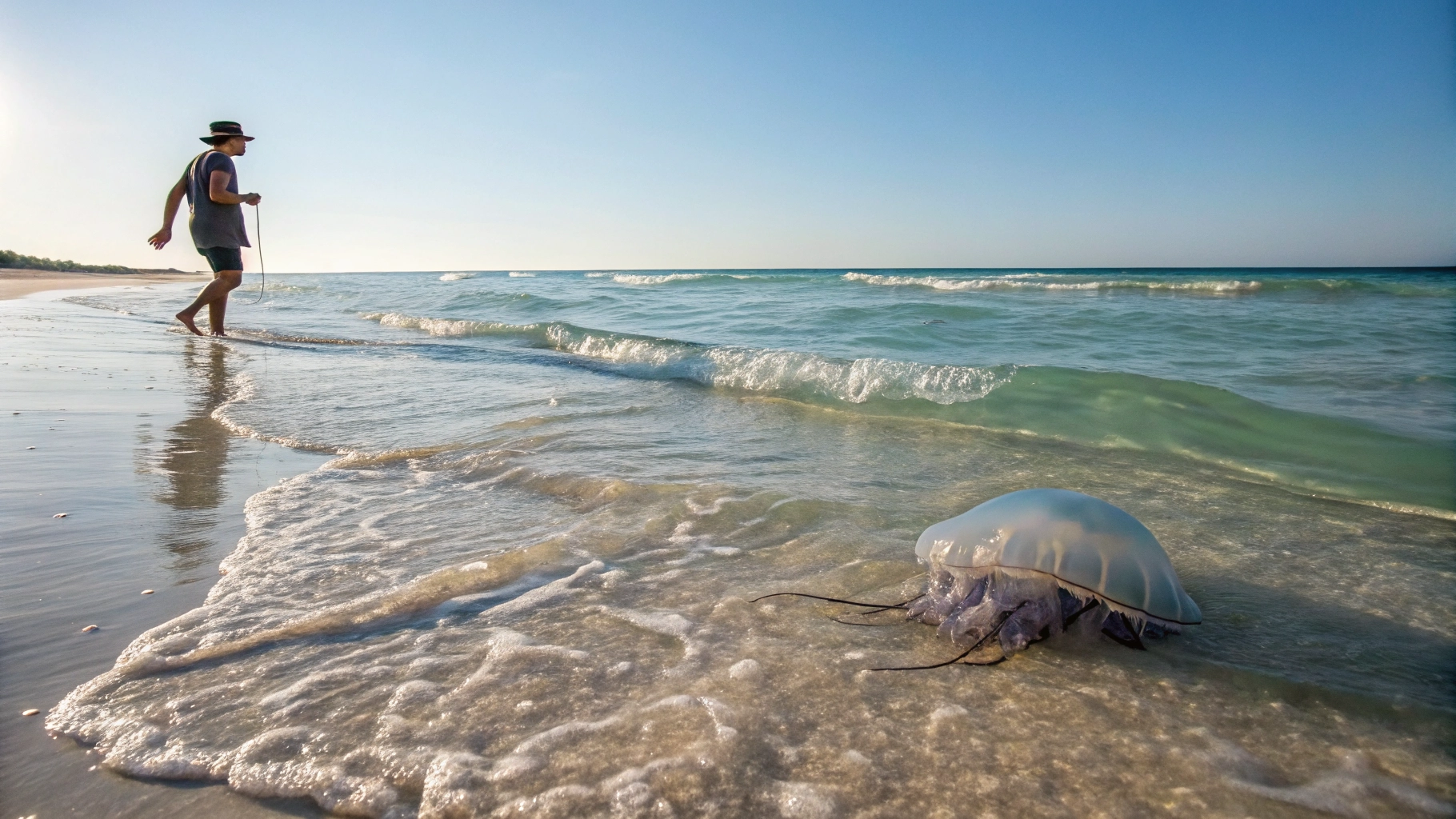
You’re enjoying a perfect beach day. The sun is warm, the water is inviting, and the gentle lapping of waves lulls you into a state of pure relaxation. You wade into the cool ocean, perhaps for a refreshing swim or a playful splash. Then, a sudden, searing pain shoots through your skin. A burning, itching sensation spreads rapidly, and you realize with a jolt: you’ve been stung by a jellyfish.
For many, the thought of a jellyfish sting is a beach-goer’s worst nightmare. These ethereal, pulsating creatures, often beautiful to behold, possess a potent defense mechanism that can turn a dream vacation into a painful ordeal. But how dangerous are they really? What should you do if you or someone you’re with gets stung? And how can you avoid them in the first place?
This ultimate guide will demystify jellyfish stings, offering you everything you need to know to stay safe, identify potential threats, and administer effective first aid. We’ll separate fact from fiction, explore the science behind the sting, and equip you with the knowledge to confidently enjoy the ocean.
Understanding the Sting: Nature’s Tiny Harpoons
To effectively deal with a jellyfish sting, it helps to understand what’s actually happening at a microscopic level. Jellyfish, along with corals, sea anemones, and hydroids, belong to a group of animals called Cnidarians (pronounced “nye-DARE-ee-ans”). Their defining characteristic is the presence of specialized stinging cells called cnidocytes.
Each cnidocyte contains a tiny, harpoon-like structure called a nematocyst. Imagine a microscopic coiled spring loaded with venom, all contained within a tiny capsule. When a cnidocyte is triggered – usually by touch or chemical cues – the nematocyst rapidly fires, injecting venom into the victim’s skin. This process is incredibly fast, happening in microseconds, making it one of the fastest biological processes known.
The venom itself is a complex cocktail of proteins and enzymes designed to paralyze or kill prey. In humans, it typically causes pain, inflammation, and various other symptoms depending on the species of jellyfish and the amount of venom injected.
Why Do Jellyfish Sting? It’s Not Personal
Jellyfish don’t sting humans out of malice or aggression. Their nematocysts are primarily used for two purposes:
- Catching Prey: They paralyze small fish and other marine organisms, allowing the jellyfish to consume them.
- Defense: They deter predators from eating them.
Humans are usually accidental victims, often brushing against tentacles while swimming or stepping on a washed-up jellyfish. Even dead jellyfish or detached tentacles can still sting, as the nematocysts remain active for some time.
The Spectrum of Stings: From Mild Annoyance to Medical Emergency
The severity of a jellyfish sting can vary dramatically, influenced by several factors:
- Jellyfish Species: Some species have very mild venom, while others possess toxins potent enough to be lethal.
- Amount of Venom: A larger area of contact or more nematocysts firing means more venom injected.
- Location of Sting: Stings on sensitive areas like the face or groin can be more painful.
- Individual Sensitivity: Some people are more reactive to venom than others, and allergic reactions can occur.
- Victim’s Health: Children, the elderly, and individuals with pre-existing health conditions (like heart problems or allergies) may experience more severe reactions.
Most jellyfish stings result in localized pain, redness, and itching. However, some can cause systemic symptoms affecting the entire body, ranging from nausea and muscle cramps to severe allergic reactions and even cardiac arrest.
Identifying the Culprit: Knowing Your Jellyfish
While you might not always see the jellyfish that stung you, recognizing common species in your area can help you understand the potential severity and guide your first aid response. Here are some of the most common and notable jellyfish species, categorized by their typical impact:
Generally Mild Stings (Still Painful, but Rarely Life-Threatening):
- Moon Jellyfish (Aurelia aurita):
- Appearance: Translucent, saucer-shaped bell, often with four horseshoe-shaped gonads visible through the top. Short, fine tentacles.
- Habitat: Found in coastal waters worldwide.
- Sting: Mild, causing a slight burning or itching sensation, usually resolving quickly.
- First Aid: Basic rinse and removal of tentacles.
- Cannonball Jellyfish (Stomolophus meleagris):
- Appearance: Firm, dome-shaped bell, often white or yellowish, resembling a cannonball. No long tentacles, but a frilly oral arm structure.
- Habitat: Common in the Atlantic and Gulf Coasts of the US.
- Sting: Very mild, often described as a slight prickle. Some people report no sensation at all.
- First Aid: Basic rinse.
- Sea Nettle (Chrysaora quinquecirrha – Atlantic Sea Nettle):
- Appearance: Bell is typically white or yellowish with reddish-brown stripes. Long, flowing tentacles and oral arms.
- Habitat: Common along the Atlantic coast of North America.
- Sting: Moderate to severe pain, redness, and welts. Can be quite uncomfortable but rarely dangerous.
- First Aid: Vinegar rinse is often recommended.
Moderately Painful to Severe Stings (Seek Medical Attention if Symptoms Worsen):
- Lion’s Mane Jellyfish (Cyanea capillata):
- Appearance: Can be enormous, with bells up to 8 feet in diameter and tentacles over 100 feet long. Color varies from yellow to deep red.
- Habitat: Cold, northern waters of the Atlantic and Pacific.
- Sting: Can be very painful, causing redness, blistering, and muscle cramps. Large stings can cause systemic symptoms.
- First Aid: Vinegar rinse, then hot water immersion.
- Portuguese Man O’ War (Physalia physalis):
- Appearance: Not a true jellyfish, but a siphonophore (a colony of organisms). Distinctive gas-filled float, often blue or purple, with extremely long tentacles (up to 165 feet).
- Habitat: Warm ocean waters, often blown to shore by winds.
- Sting: Extremely painful, causing severe welts, muscle cramps, nausea, and sometimes respiratory distress.
- First Aid: Rinse with saltwater (not fresh water), then hot water immersion. Do NOT use vinegar.
Extremely Dangerous/Potentially Lethal Stings (Immediate Medical Emergency):
- Box Jellyfish (Chironex fleckeri – Australian Box Jellyfish):
- Appearance: Cube-shaped bell, often translucent, with up to 15 tentacles from each corner, reaching up to 10 feet long.
- Habitat: Tropical Indo-Pacific waters, especially northern Australia.
- Sting: One of the most venomous creatures on Earth. Causes excruciating pain, rapid onset of paralysis, respiratory arrest, and cardiac arrest. Can be fatal within minutes.
- First Aid: Immediate and copious vinegar rinse for at least 30 seconds. Then seek urgent medical attention. CPR may be necessary.
- Irukandji Jellyfish (Carukia barnesi and other species):
- Appearance: Tiny, often less than an inch in bell diameter, with four thin tentacles. Extremely difficult to see.
- Habitat: Tropical waters, primarily northern Australia.
- Sting: Initially mild or unnoticed, followed by the delayed onset of “Irukandji Syndrome” (30 minutes to 2 hours later). Symptoms include severe muscle cramps, back pain, headache, nausea, vomiting, sweating, anxiety, and potentially life-threatening heart problems.
- First Aid: Immediate and copious vinegar rinse for at least 30 seconds. Seek urgent medical attention, even if symptoms are delayed.
Important Note: This is not an exhaustive list. Always be aware of local marine life and warnings when swimming in unfamiliar waters.
Prevention is Key: Avoiding the Sting
The best way to deal with a jellyfish sting is to avoid it altogether. Here are practical tips for prevention:
- Heed Warning Signs: Always pay attention to local beach advisories, flags, and lifeguard warnings about jellyfish presence.
- Ask Locals: If there are no official warnings, ask locals, lifeguards, or dive shop operators about recent jellyfish sightings.
- Swim in Designated Areas: Lifeguarded beaches often have better monitoring for marine hazards.
- Wear Protective Clothing:
- Stinger Suits/Rash Guards: These full-body suits offer excellent protection, especially in areas known for dangerous jellyfish.
- Wetsuits: Provide a physical barrier against stings.
- Long-sleeved shirts and pants: Even regular clothing can offer some protection.
- Avoid Peak Jellyfish Season: Research when jellyfish populations are typically highest in your chosen destination.
- Look Before You Leap: Scan the water before entering, especially in calm, clear conditions where jellyfish might be visible.
- Be Wary of Washed-Up Jellyfish: Even dead jellyfish on the sand can still sting. Do not touch them.
- Avoid Stormy Weather: Strong winds and currents can bring jellyfish closer to shore.
- Consider Barrier Creams: Some sunscreens and lotions claim to offer protection against jellyfish stings by making skin less recognizable to nematocysts or by blocking their firing. While effectiveness varies, they might offer some peace of mind.
- Educate Children: Teach children not to touch jellyfish, alive or dead, and to report any sightings to an adult.
First Aid for Jellyfish Stings: What to Do (and What NOT to Do)
Immediate and correct first aid can significantly reduce pain and prevent further envenomation. However, advice can vary depending on the species and region. Always prioritize seeking medical attention for severe stings or if symptoms worsen.
Here’s a general guide, followed by specific recommendations for different types of jellyfish:
General First Aid Steps (for most common, non-lethal stings):
- Get Out of the Water: Move the stung person to safety.
- Rinse the Area:
- Saltwater is generally preferred. Use ocean water to rinse the area.
- Avoid fresh water (tap water, bottled water) as it can cause unfired nematocysts to discharge more venom.
- Remove Tentacles (Carefully!):
- Do NOT use bare hands.
- Use tweezers, a stick, the edge of a credit card, or a gloved hand to gently scrape off any visible tentacles.
- Do NOT rub the area with a towel or sand, as this can trigger more nematocysts.
- Immobilize the Limb: If stung on an arm or leg, try to keep it still to slow the spread of venom.
- Pain Relief:
- Hot Water Immersion: For most stings (especially those from non-box jellyfish), immersing the affected area in hot water (as hot as the person can tolerate, typically 104-113°F or 40-45°C) for 20-45 minutes can denature the venom and provide significant pain relief. Test the water temperature carefully to avoid burns.
- Cold Packs: If hot water is not available or not tolerated, cold packs can help reduce pain and swelling.
- Over-the-Counter Medications:
- Pain relievers: Ibuprofen or acetaminophen can help with pain.
- Antihistamines: Oral antihistamines (like diphenhydramine) can help reduce itching and swelling.
- Topical creams: Hydrocortisone cream can soothe itching and inflammation.
Specific First Aid for Dangerous Jellyfish (Box Jellyfish & Irukandji):
For Box Jellyfish and Irukandji Stings (primarily found in tropical Indo-Pacific, especially Australia):
- Immediate and Copious Vinegar Rinse: This is the most critical step. Pour liberal amounts of household vinegar (acetic acid) over the affected area for at least 30 seconds. Vinegar helps to neutralize unfired nematocysts, preventing further venom release.
- Remove Tentacles: After rinsing with vinegar, carefully remove any remaining tentacles using tweezers or a gloved hand.
- Seek Urgent Medical Attention: Even if symptoms seem mild initially, Irukandji Syndrome can have a delayed onset and be life-threatening. Box jellyfish stings require immediate professional medical care.
- CPR: If the person collapses or stops breathing, begin CPR immediately and continue until medical help arrives.
What NOT to Do (Common Myths and Harmful Practices):
- Do NOT use fresh water: This can cause unfired nematocysts to discharge more venom.
- Do NOT rub the sting: Rubbing with sand, a towel, or your hand will only spread the venom and trigger more nematocysts.
- Do NOT apply urine: This is a popular myth with no scientific basis and can actually worsen the sting.
- Do NOT apply alcohol: Alcohol (including rubbing alcohol or spirits) can also cause nematocysts to fire.
- Do NOT apply pressure bandages: Unlike some snakebites, pressure bandages are not recommended for jellyfish stings and can sometimes worsen the pain.
When to Seek Medical Attention
While most jellyfish stings are not life-threatening, it’s crucial to know when to seek professional medical help. Call emergency services immediately if you experience any of the following:
- Difficulty breathing or shortness of breath.
- Chest pain or tightness.
- Signs of a severe allergic reaction (anaphylaxis): swelling of the face, lips, or throat; wheezing; dizziness; rapid pulse.
- Loss of consciousness or collapse.
- Severe pain that does not subside with first aid.
- Stings covering a large area of the body, especially in children or the elderly.
- Stings to the eyes, mouth, or genitals.
- Signs of Irukandji Syndrome (even if the initial sting was mild): severe muscle cramps, back pain, headache, nausea, vomiting, profuse sweating, anxiety, high blood pressure.
- If you suspect a sting from a highly venomous species (like a Box Jellyfish or Irukandji).
- If the wound shows signs of infection: increased redness, swelling, pus, fever.
- If symptoms worsen or do not improve after a few hours.
Long-Term Effects and Recovery
Most mild jellyfish stings heal within a few days to a week, leaving no lasting marks. However, more severe stings can lead to:
- Persistent pain or itching.
- Skin discoloration or scarring.
- Allergic reactions: Some individuals may develop delayed allergic reactions days or weeks after the sting.
- Post-inflammatory hyperpigmentation: Darkening of the skin at the sting site, which can last for months.
- Infection: If the skin barrier is broken and not kept clean, bacterial infections can occur.
Keep the sting area clean and dry. If itching is severe, consult a doctor for stronger topical creams or oral medications.
Jellyfish Stings Around the World: Regional Differences
It’s important to remember that jellyfish populations and the recommended first aid can vary significantly by region.
- Australia and the Indo-Pacific: This region is home to some of the world’s most dangerous jellyfish, including the Box Jellyfish and Irukandji. Vinegar is the standard first aid for these stings. Always be extra cautious and follow local advice.
- North America (Atlantic & Pacific Coasts): While painful, most stings from species like Sea Nettles, Moon Jellies, and Lion’s Mane Jellyfish are not life-threatening. Hot water immersion is often recommended for pain relief. Portuguese Man O’ War stings are common in warmer waters; saltwater rinse and hot water are recommended, but NOT vinegar.
- Mediterranean Sea: Species like the Pelagia noctiluca (Mauve Stinger) can cause painful stings. General first aid (saltwater rinse, hot water) applies.
- Caribbean: Similar to North America, with various species including the Portuguese Man O’ War.
Always check with local authorities or lifeguards for the most up-to-date and specific advice for the area you are visiting.
The Science Behind the Sting: A Deeper Dive
For those curious about the intricate biology, let’s briefly explore the marvel of the nematocyst.
Each cnidocyte is a single cell containing the nematocyst capsule. Inside the capsule, the coiled tubule is under immense pressure, sometimes exceeding 150 atmospheres. When triggered, a tiny lid (operculum) opens, and the tubule rapidly everts (turns inside out) and shoots out, like a spring-loaded dart. The tip of the tubule often has barbs to anchor it, and the venom is then injected through the hollow tubule.
The trigger mechanism can be mechanical (touch) or chemical (presence of certain substances on the skin). This incredible speed and efficiency make jellyfish formidable predators and effective defenders, even against much larger creatures. Researchers are constantly studying these venoms for potential medical applications, as they contain a wide array of bioactive compounds.
Conclusion: Respecting the Ocean’s Inhabitants
Jellyfish are ancient, beautiful, and vital components of marine ecosystems. While their stings can be a painful reminder of their presence, understanding them allows us to coexist more safely. By taking preventative measures, knowing how to identify common species, and being prepared with the correct first aid, you can significantly reduce the risk and severity of a jellyfish encounter.
Remember, the ocean is a wild and wonderful place, full of incredible life. With knowledge and respect, you can continue to explore its depths and enjoy its beauty, confident in your ability to handle whatever comes your way. Stay informed, stay safe, and keep enjoying the oceanic insights!
Leave a Reply