
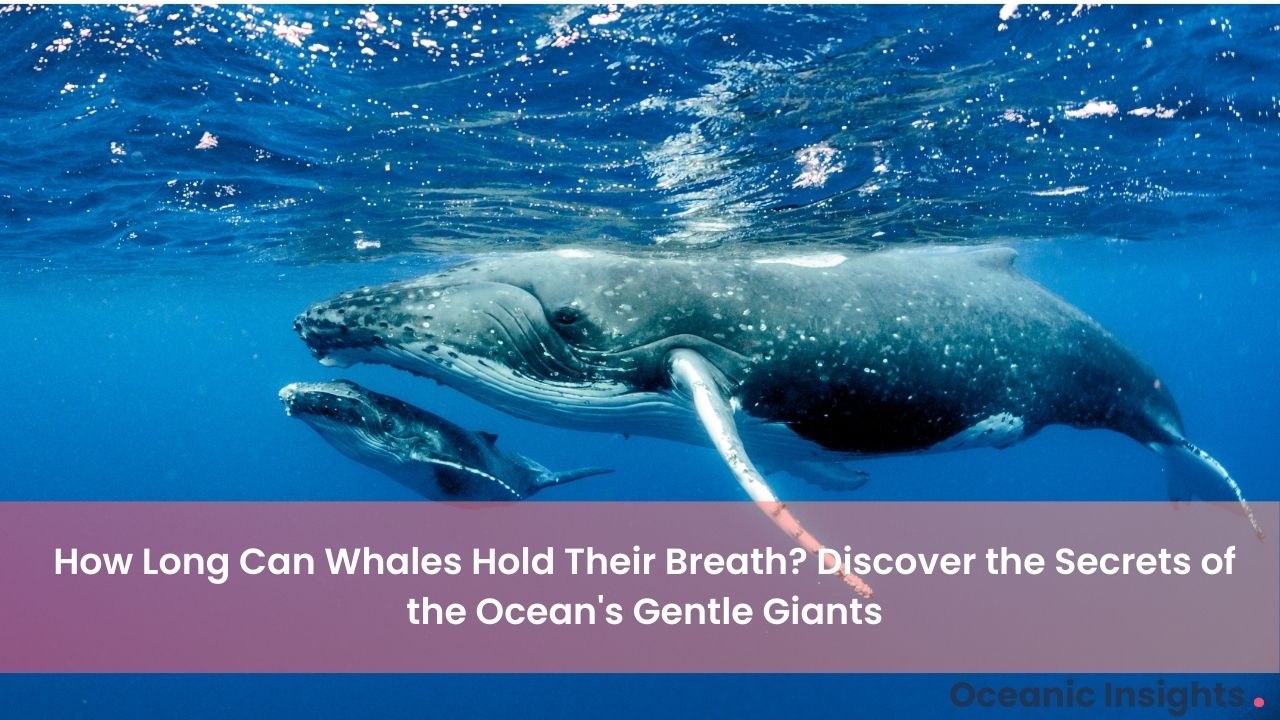
In the vast, mysterious oceans, whales reign supreme as some of nature’s most captivating creatures. These gentle giants have long intrigued scientists and enthusiasts alike with their colossal size and graceful movements. Yet, one of the most fascinating aspects of whales is their remarkable ability to hold their breath underwater, allowing them to dive to incredible depths and explore the ocean’s many layers.
Whales, unlike fish, are mammals, meaning they must surface to breathe air. This necessity shapes much of their behavior, from migration patterns to feeding habits. Their breathing is not just a matter of survival but is intricately linked to their ability to navigate and thrive in the ocean’s depths. Understanding how long whales can hold their breath offers insights into their adaptability and the evolutionary marvels that enable their aquatic lifestyle.
To truly appreciate these magnificent creatures, it is essential to delve into their unique respiratory systems, the factors influencing their breath-holding capacity, and how they compare to other marine animals. As we embark on this exploration, we will uncover the secrets that allow whales to be masters of the deep.
How Whales Breathe: The Science Behind Their Respiratory System
Whales possess a highly specialized respiratory system, optimized for life in the ocean. Unlike humans, whales breathe through blowholes located on top of their heads. This adaptation allows them to take in large volumes of air quickly, minimizing the time spent at the surface. When a whale surfaces, it exhales forcefully, expelling stale air and water vapor in a dramatic spout, before taking a deep, oxygen-rich breath.
The structure of a whale’s lungs is significantly different from that of terrestrial mammals. Their lungs can collapse and expand without damage, which is crucial for withstanding the immense pressure changes during deep dives. This flexibility, combined with the ability to store oxygen in their muscles and blood, enables whales to stay submerged for extended periods.
Moreover, whales have a unique way of conserving oxygen. During dives, they can redirect blood flow to essential organs, such as the brain and heart, while reducing flow to less critical areas. This physiological adaptation ensures that they maximize their oxygen usage, allowing them to remain underwater far longer than a human ever could.
Factors Affecting Breath-Holding Capacity in Whales
The ability of a whale to hold its breath is influenced by several factors, including size, species, and activity level. Generally, larger whales can hold their breath longer than smaller ones due to their greater oxygen storage capacity. For instance, the massive blue whale can hold its breath for up to 90 minutes, while smaller species like the minke whale might only manage around 20 minutes.
Whale species also play a significant role in breath-holding capacity. Sperm whales, renowned for their deep dives in search of squid, can remain submerged for over an hour. This extraordinary ability is partly due to their high myoglobin concentrations, which store oxygen in muscle tissue, allowing them to sustain long, deep dives.
Activity levels during a dive can also impact how long a whale can hold its breath. Whales that are actively hunting or engaging in social behaviors may consume oxygen more rapidly, shortening their dive time. Conversely, when resting or gliding through the water, they can conserve oxygen and extend their time underwater.
The Average Breath-Holding Time of Different Whale Species
The breath-holding capacity of whales varies significantly across species. Here’s a look at some of the average durations:
| Whale Species | Average Breath-Holding Time |
|---|---|
| Blue Whale | Up to 90 minutes |
| Sperm Whale | Up to 90 minutes |
| Humpback Whale | 15-30 minutes |
| Minke Whale | 10-20 minutes |
| Orca (Killer Whale) | 5-15 minutes |
These averages highlight the diversity among whales in terms of their diving capabilities. The blue whale, the largest animal on Earth, can hold its breath for an impressive 90 minutes, allowing it to traverse vast stretches of ocean without surfacing. In contrast, the sociable orca, with its shorter breath-holding duration, often engages in dynamic surface activities.
Understanding these differences is crucial for researchers studying whale behavior and ecology. It helps in determining how whales interact with their environment and respond to changes in their habitat, such as those caused by human activities.
Comparison: Whales vs. Other Marine Animals in Breath-Holding
Whales might seem unparalleled in their breath-holding abilities, but they are not alone in the ocean. Other marine animals have also evolved to thrive underwater. For instance, the elephant seal, a remarkable deep diver, can hold its breath for over two hours, eclipsing even the mightiest of whales.
Sea turtles, on the other hand, can stay submerged for several hours when resting, although their active dives typically last less than 30 minutes. Dolphins, close relatives of whales, generally hold their breath for about 8 to 10 minutes, which is sufficient for their hunting and socializing needs.
This comparison underscores the diversity of adaptations among marine life. Each species has evolved unique strategies to survive in their aquatic habitats, whether by diving deep like whales and seals or by engaging in shorter, more frequent dives like dolphins and turtles.
The Role of Dive Behavior in a Whale’s Ability to Hold Its Breath
Dive behavior is a crucial aspect of a whale’s breath-holding ability. Whales exhibit a range of diving patterns, each adapted to their ecological niche and lifestyle. These patterns influence how they manage their oxygen reserves and their overall dive duration.
There are generally two types of dives: foraging and transit. Foraging dives are often deep and prolonged, allowing whales to reach prey that resides at significant depths. Sperm whales, for example, are known for their deep foraging dives, reaching depths of over 3,280 feet in search of squid. Such dives require efficient oxygen management and a high tolerance for pressure changes.
Transit dives, on the other hand, are typically shallower and shorter, used for traveling between feeding grounds or social interactions. During these dives, whales may not fully utilize their breath-holding capacity, as the emphasis is on movement rather than deep exploration.
Understanding dive behavior is essential for conservation efforts, as it provides insight into how whales use their habitats and how they might be affected by changes such as increased shipping traffic or climate change.
Myths and Misconceptions About Whale Breathing
Whales have long been subjects of fascination and myth, and their breath-holding abilities are no exception. One common misconception is that whales can breathe underwater. In reality, like all mammals, whales must surface to inhale air, relying on their specialized respiratory systems to stay submerged.
Another myth is that whales can hold their breath indefinitely. While they are capable of impressive breath-holding feats, they are limited by their oxygen reserves and must eventually surface. This need to breathe air is why whales, despite being ocean-dwellers, are so vulnerable to threats like entanglement in fishing gear, which can prevent them from reaching the surface.
Additionally, some believe that whale spouts are purely composed of water. In truth, the spout is primarily made up of air expelled from the lungs, combined with water vapor and mucus, creating the iconic misty plume seen from a distance.
Conservation and the Impact of Human Activity on Whales
Human activities have a profound impact on whales and their ability to thrive. Shipping traffic, pollution, and fishing practices all pose significant threats to these magnificent creatures. Noise pollution from vessels can interfere with whales’ communication and echolocation abilities, while oil spills and plastic waste degrade their habitats.
Entanglement in fishing gear is a particularly severe issue, often preventing whales from surfacing to breathe, leading to tragic fatalities. Conservation efforts focus on creating safer marine environments, promoting sustainable fishing practices, and reducing ship speeds in areas with high whale populations.
Increased awareness and advocacy are essential in protecting these gentle giants. By understanding how long whales can hold their breath and the challenges they face, we can support conservation initiatives that ensure their survival for future generations.
Fascinating Facts About Whales and Their Adaptations
Whales are full of surprises, and their adaptations to life in the ocean are nothing short of extraordinary. Here are some fascinating facts about these incredible animals:
- Blubber Insulation: Whales have a thick layer of blubber that not only provides insulation against cold ocean waters but also serves as an energy reserve during long migrations.
- Echolocation: Toothed whales, like orcas and sperm whales, use echolocation to navigate and hunt in the dark depths of the ocean, emitting sound waves and interpreting the echoes that bounce back.
- Communication: Whales are known for their complex vocalizations, often referred to as songs. These sounds are used for communication, navigation, and even mating calls, with some songs lasting for several hours.
- Migratory Patterns: Many whale species undertake long migrations, traveling thousands of miles between feeding and breeding grounds. These journeys are guided by an innate sense of navigation and are crucial for their lifecycle.
Understanding these adaptations helps us appreciate the remarkable ways whales have evolved to conquer the ocean’s challenges, showcasing their resilience and intelligence.
Conclusion: The Importance of Understanding Whale Physiology
Whales, with their awe-inspiring breath-holding abilities and complex adaptations, are a testament to nature’s ingenuity. Understanding how long they can hold their breath and the factors influencing this ability provides crucial insights into their behavior, ecology, and the challenges they face in today’s rapidly changing world.
The study of whale physiology not only enriches our knowledge of these majestic creatures but also highlights the importance of conservation efforts. By protecting their habitats and mitigating human-induced threats, we can ensure that whales continue to grace our oceans for generations to come.
As we marvel at these ocean giants, let us also be inspired to take action. Whether through supporting conservation organizations, advocating for sustainable practices, or raising awareness, every effort counts in preserving the beauty and mystery of whales. Join us in celebrating and safeguarding the wonders of the ocean by contributing to initiatives dedicated to protecting marine life today.
Leave a Reply