
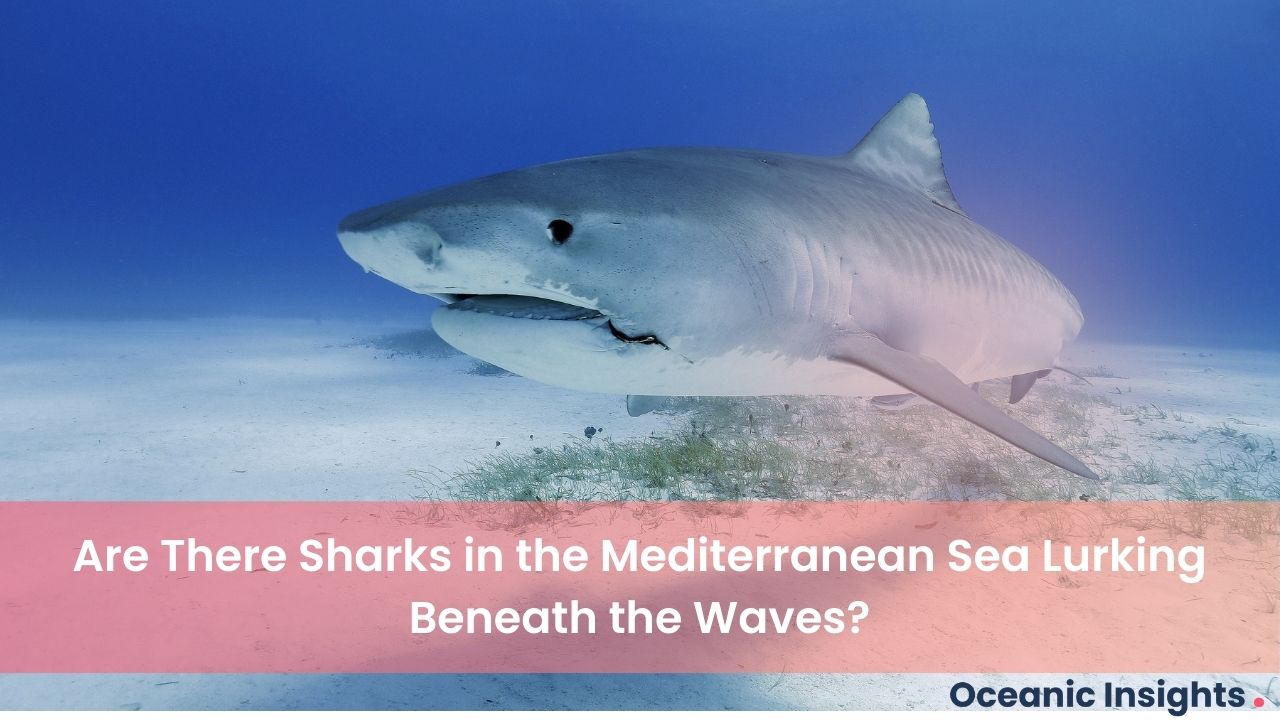
The Mediterranean Sea is a unique marine environment, rich in biodiversity and historical significance. Despite its beauty, it harbors creatures often misunderstood and feared—sharks. The question of whether there are sharks in the Mediterranean Sea often arises, fueled by curiosity, caution, and a sense of adventure.
Sharks have been present in the Mediterranean for millions of years, playing a crucial role in its ecosystem. Yet, due to overfishing and habitat loss, their numbers have dwindled over decades. These formidable predators are not just a part of the marine food chain; they are vital to the health of the sea.
Exploring the presence of sharks in the Mediterranean is not just a journey into marine biology but also a step towards understanding our impact on the environment. By learning more about these creatures, one can appreciate their importance and the need for their protection.
Overview of Shark Species Found in the Mediterranean
The Mediterranean Sea is home to a variety of shark species, ranging from the familiar to the obscure. Each species plays a distinct role in maintaining the balance of marine life in this region.
Common Shark Species in the Mediterranean:
- Blue Shark: Known for its slender body and distinct blue hue, the Blue Shark is a frequent visitor, often found in the open waters of the Mediterranean.
- Shortfin Mako Shark: Renowned for its speed, the Shortfin Mako is a powerful predator that occasionally ventures into the Mediterranean.
- Sandbar Shark: This species prefers the coastal areas and is recognized by its tall dorsal fin.
Despite the presence of these sharks, the Mediterranean’s shark population is not as diverse as in other oceans. Factors such as pollution, climate change, and overfishing have significantly impacted their numbers. Conservation efforts are essential to ensure that these majestic creatures continue to thrive in the Mediterranean waters.
Are There Great White Sharks in the Mediterranean Sea?
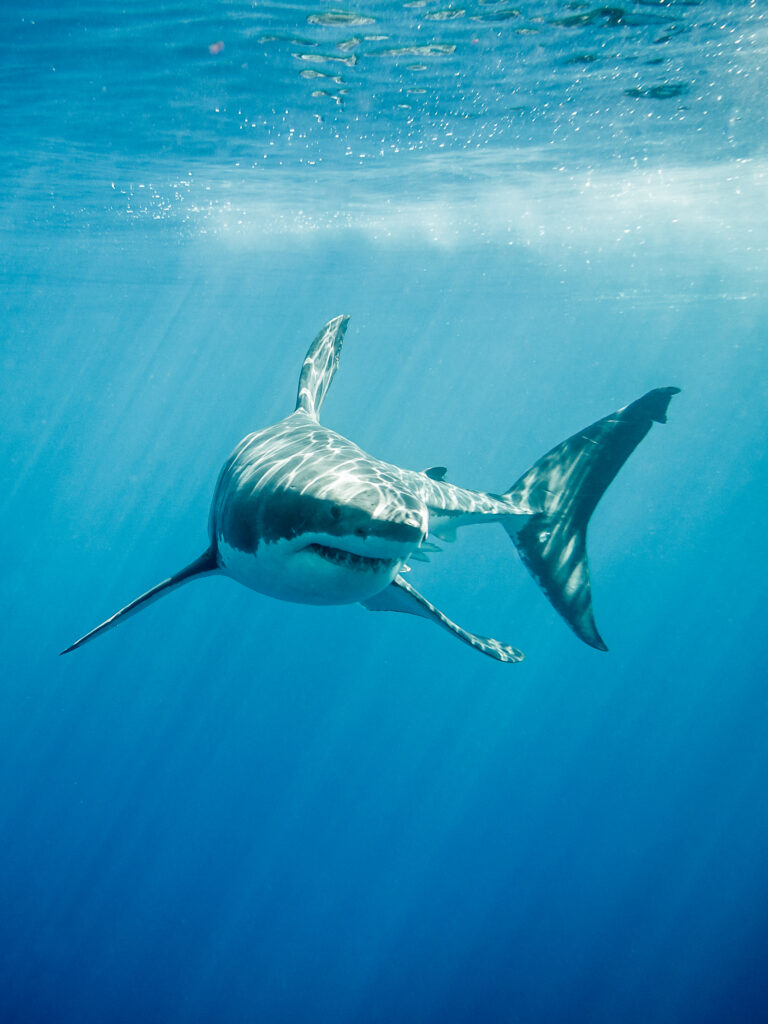
The Great White Shark, a species that evokes both awe and fear, is indeed present in the Mediterranean Sea, albeit rarely. These apex predators are known for their size and power and are often the subject of fascination and fear.
Although sightings of Great White Sharks in the Mediterranean are infrequent, they have been recorded over the years. These sharks are believed to migrate into the Mediterranean from the Atlantic Ocean, following prey or favorable water conditions. Their presence is a testament to the interconnectedness of the world’s oceans.
Great White Sharks play a critical role in the marine ecosystem, helping to control the population of other marine animals and maintaining the balance of the food chain. Understanding their presence in the Mediterranean is vital for both marine conservation and the safety of those who venture into these waters.
Exploring the Presence of Whale Sharks in the Mediterranean Sea
When one imagines sharks, the enormous yet gentle Whale Shark might not immediately come to mind. However, this species has been spotted in the Mediterranean, adding to the sea’s mystique.
The Whale Shark, the largest fish in the ocean, is a filter feeder that poses no threat to humans. Its presence in the Mediterranean is sporadic, often associated with the abundance of plankton, its primary food source. These sightings create excitement among marine biologists and enthusiasts alike.
The presence of Whale Sharks in the Mediterranean highlights the sea’s rich biodiversity and the importance of preserving its natural habitats. Protecting the Mediterranean’s plankton-rich areas is crucial to support the survival of these and other filter-feeding species.
Understanding Dangerous Sharks in the Mediterranean Sea
While the presence of sharks can be intimidating, it’s essential to understand the reality of dangerous sharks in the Mediterranean Sea. Although several shark species inhabit these waters, few are considered a threat to humans.
Potentially Dangerous Sharks in the Mediterranean:
- Great White Shark: As previously mentioned, this species is rare but potentially dangerous due to its size and predatory nature.
- Tiger Shark: Though not common, the Tiger Shark is known for its aggressive behavior and occasional presence in the Mediterranean.
- Bull Shark: Occasionally sighted in the Mediterranean, the Bull Shark is known for its ability to thrive in both salt and freshwater, making it a versatile predator.
Despite their fearsome reputation, shark attacks in the Mediterranean are extremely rare. Most sharks prefer to avoid human interaction, and many supposed sightings are cases of mistaken identity. Understanding these creatures can alleviate fears and promote coexistence.
Shark Attacks: Statistics and Incidents in the Mediterranean
When discussing sharks, the topic of shark attacks inevitably arises. However, the Mediterranean Sea is not a hotspot for such incidents. Shark attacks are a rarity, and statistics reflect this reality.
Shark Attack Statistics in the Mediterranean:
- Frequency: Shark attacks in the Mediterranean are exceedingly rare, with only a handful of documented cases over the past century.
- Common Locations: Most incidents have occurred off the coasts of Italy, Greece, and Turkey.
- Species Involved: The majority of reported attacks involve species such as the Great White Shark, although these occurrences are few and far between.
Public perception often exaggerates the threat posed by sharks, fueled by sensationalist media coverage. Education and awareness are key to dispelling myths and understanding the true nature of these marine animals.
The Role of Sharks in the Mediterranean Ecosystem
Sharks are more than just apex predators; they are vital contributors to the health of the Mediterranean ecosystem. Their presence influences the balance of marine life, ensuring the stability of the food web.
Sharks help maintain the population of various marine species, preventing any single species from dominating and disrupting the ecosystem. By preying on the sick and weak, they promote the health of fish populations, contributing to biodiversity.
The decline in shark populations can have cascading effects on the ecosystem, leading to imbalances that affect both marine life and human activities. Protecting sharks is essential not only for preserving marine biodiversity but also for ensuring the sustainability of the Mediterranean’s fishing industries.
Conservation Efforts and Shark Protection in the Mediterranean
Recognizing the importance of sharks, various conservation efforts have been implemented to protect these marine predators in the Mediterranean Sea. These initiatives aim to mitigate human impact and ensure the survival of shark species.
Key Conservation Efforts:
- Regulation of Fishing Practices: Implementing sustainable fishing practices to prevent overfishing and bycatch of sharks.
- Marine Protected Areas (MPAs): Establishing MPAs to safeguard critical habitats and breeding grounds for sharks.
- Research and Monitoring: Conducting research to better understand shark populations and their movements within the Mediterranean.
Public awareness campaigns also play a significant role in changing perceptions and promoting shark conservation. By educating communities about the ecological importance of sharks, these efforts encourage responsible behavior and support for conservation measures.
Myths and Misconceptions About Sharks in the Mediterranean
Sharks have long been subjects of myths and misconceptions, often portrayed as mindless killers. In the Mediterranean, these misconceptions persist, influencing public perception and behavior.
One common myth is that all sharks are dangerous to humans. In reality, most shark species found in the Mediterranean pose no threat and are more interested in avoiding human interaction. Another misconception is that shark attacks are frequent, which, as statistics show, is far from the truth.
Education and awareness are crucial in debunking these myths and fostering coexistence between humans and sharks. By understanding the true nature of these creatures, one can appreciate their role in the ecosystem and the need for their protection.
Conclusion: The Future of Sharks in the Mediterranean Sea
The future of sharks in the Mediterranean Sea hinges on the actions taken today. These majestic creatures are an integral part of the marine ecosystem, and their preservation is vital for the health of the sea.
Continued conservation efforts, coupled with increased public awareness, are essential to ensure that sharks continue to thrive in the Mediterranean. As stewards of the ocean, it is our responsibility to protect these creatures and the delicate balance they help maintain.
Call to Action: To support shark conservation efforts, consider participating in local beach clean-ups, advocating for sustainable fishing practices, and spreading awareness about the importance of sharks in marine ecosystems. Together, we can ensure that the Mediterranean remains a vibrant and thriving home for these incredible animals.
Leave a Reply