
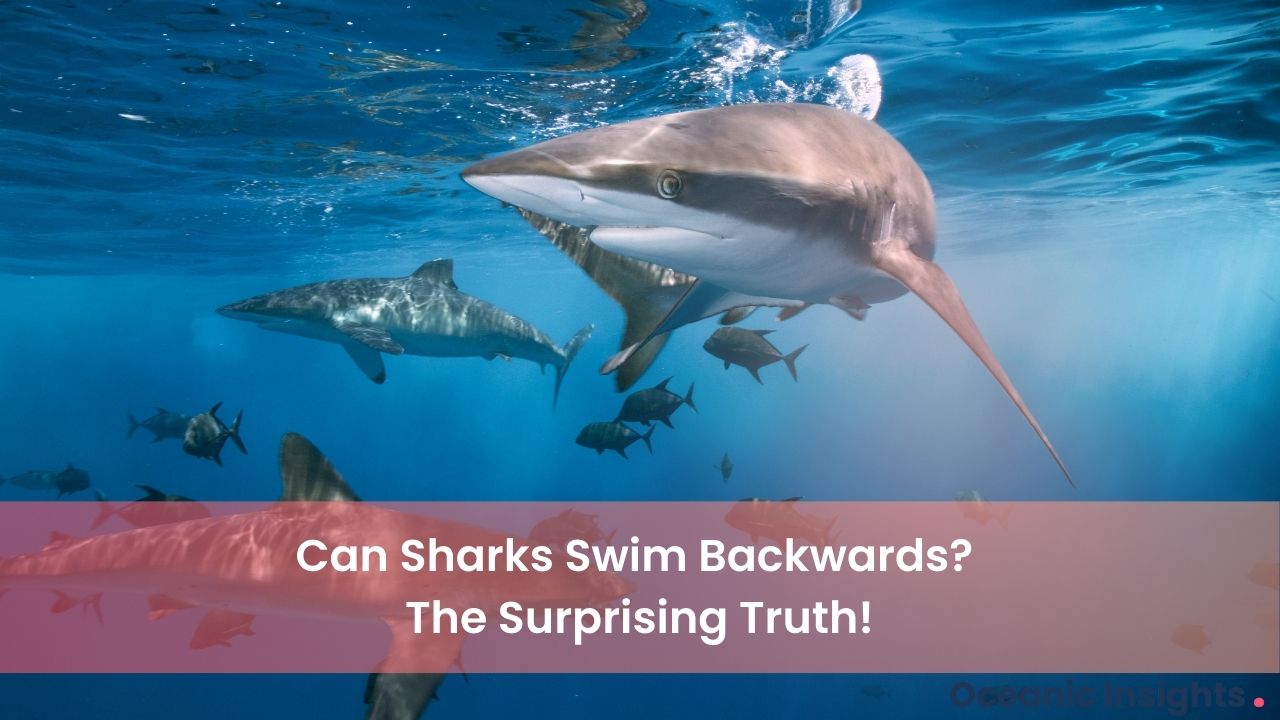
Sharks have intrigued and mystified humans for centuries. Known for their predatory prowess and sleek design, these creatures are a common topic of fascination. One question often asked among enthusiasts and ocean lovers alike is, “Can sharks swim backwards?” This blog sheds light on sharks’ anatomy, swimming mechanics, and whether backward swimming is within their range of abilities.
Read along as we uncover the truth behind this oceanic mystery, explore misconceptions, and reveal fascinating facts about how sharks maneuver their aquatic world.
Understanding Shark Anatomy
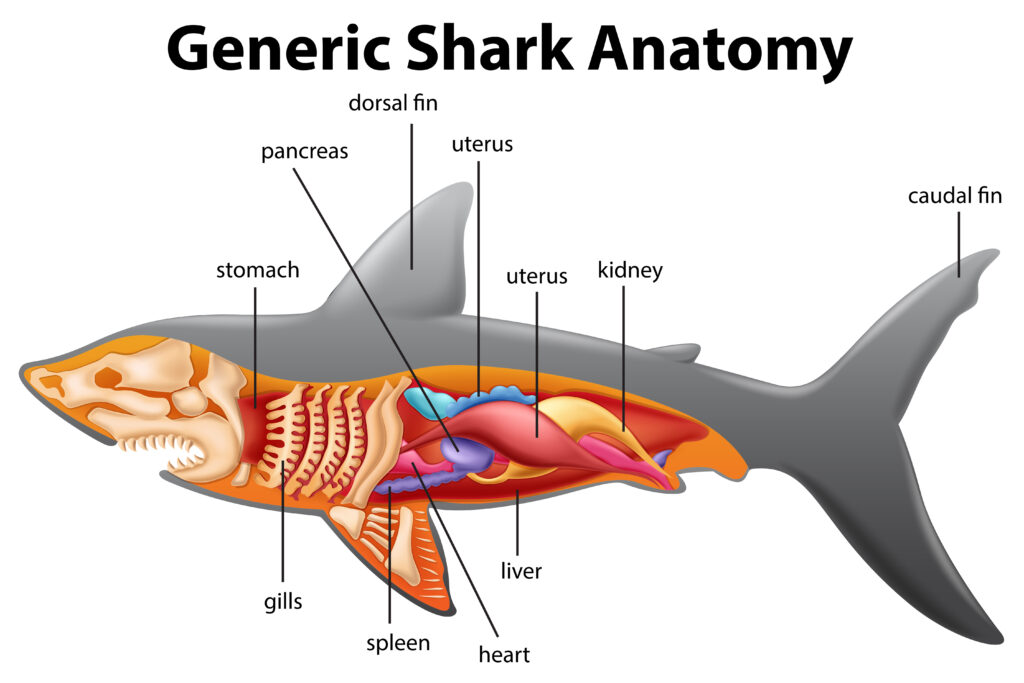
To grasp how sharks swim, it’s important to first understand their anatomy. Sharks belong to a group of fish called cartilaginous fishes (Chondrichthyes). Unlike most bony fish, their skeletons are made of cartilage, which is lightweight and provides flexibility. This unique structure, combined with their iconic fins, plays a crucial role in their swimming abilities.
Key Fins in a Shark’s Swimming Ability:
- Pectoral fins (side fins): Help control the shark’s movement up and down, acting much like an airplane’s wings.
- Caudal fin (tail fin): The powerhouse of their swimming, responsible for propelling sharks forward.
- Dorsal fins (top fin[s]): Provide stability and prevent rolling in the water.
- Pelvic and anal fins (bottom fins): Aid in stabilization during swimming.
The anatomical design of their fins and muscular tail gives sharks an agility that suits their role as apex predators. However, these adaptations also place some limits on their movement, as we’ll explore.
How Sharks Swim Forward Effortlessly
Sharks are built to excel at forward motion. Unlike most fish that rely on a combination of body movements and fins to swim, sharks depend predominantly on their caudal fin. By moving their tail in an S-shaped or side-to-side motion, they generate thrust and speed. This movement is complemented by their pectoral fins, which provide lift and help sharks maintain buoyancy as they glide through water.
Sharks are among the most streamlined swimmers in the ocean, reaching speeds of up to 25 mph (in species like the shortfin mako shark). Their tapered body minimizes drag, allowing them to conserve energy while traversing long distances in search of prey or suitable environments.
But what about backward movement? If they’re designed for such efficient forward propulsion, where does swimming in reverse fit in?
Can Sharks Swim Backwards?
The short answer is no, sharks cannot swim backwards in the traditional sense. Here’s why:
- Rigid Pectoral Fins: Sharks’ pectoral fins are rigid and fixed in position. Unlike bony fish, they lack the versatile ability to adjust or fold their pectoral fins backward. This rigidity is essential for maintaining lift but limits reverse movement.
- Caudal Fin Function: The caudal fin’s side-to-side thrust is specialized for forward propulsion. It does not support movement in the opposite direction, as reversing this motion would disrupt the physical mechanics that sharks are designed for. 3. Gills and Breath Flow: Sharks need water to flow over their gills in one direction to breathe efficiently. Attempting to move backward would disrupt this flow and potentially deprive the shark of oxygen.
These anatomical and physiological constraints explain why sharks aren’t capable of deliberate backward swimming like some other fish. However, this doesn’t mean sharks lack the ability to maneuver effectively in their environment.
Are There Any Exceptions?
While sharks can’t swim backward, some skilled species demonstrate behaviors that may seem like “backward swimming” in certain contexts. For example:
- Maneuvering With Precision: Sharks like the reef shark or nurse shark are extremely agile. They may twist or pivot in place by stopping abruptly and using their fins to change direction. This action can appear as though they are moving backward, but in reality, it’s more of a controlled turn.
- Gliding or Propelled Drift: Sharks may glide backward momentarily when water currents naturally push them, typically in tight spaces like coral caves or shipwrecks.
However, even in these examples, the movement is not a true reverse-swim but rather an adjustment facilitated by the shark’s flexible, streamlined frame and pectoral fins.
Alternative Shark Movements
Sharks have developed a range of adaptations that help them thrive even without the ability to swim backward. These include:
Tight Space Navigation
When maneuvering in confined areas like narrow rock formations and kelp forests, sharks rely heavily on their pectoral fins and body flexibility. A rhythmic combination of body contortions and precise fin movements allows them to make sharp turns and avoid obstacles.
Predatory Prowess
Sharks demonstrate remarkable agility when hunting. They may use quick lateral movements, break speed with abrupt halts, and even perform barrel-like rolls to catch prey with precision. Their adeptness for such motions highlights their evolutionary mastery of forward and lateral navigation.
Buoyancy and Glide Patterns
Some species, like the great white shark, conserve energy by maintaining neutral buoyancy and gliding effortlessly through the water. This ability allows them to pause their propulsion mid-movement, almost creating an illusion of floating stillness. While not technically “backward swimming,” it’s another testament to sharks’ extraordinary aquatic functionality.
What Makes Sharks Unique Swimmers
The reality is that sharks don’t need to swim backwards. Their primary survival needs, including hunting and breathing, are perfectly met by their forward motion capabilities and finely tuned anatomical design. Sharks are purpose-built machines for forward momentum, optimized over millions of years of evolution.
These features, coupled with their agility and predatory smarts, make them one of nature’s most effective hunters in aquatic ecosystems. While backward swimming might be biologically impossible, sharks more than make up for it with their range of alternative movements.
Takeaway for Shark Lovers
Sharks may not be able to swim backward, but their incredible adaptations make them some of the most skilled navigators in the ocean. By understanding how their anatomy and movement work in harmony, we can better appreciate these fascinating animals and dispel common misconceptions about their abilities.
Curious to learn more about marine life dynamics? Explore our blog for insights into the wonders of the ocean or discover our educational shark series.
Leave a Reply