
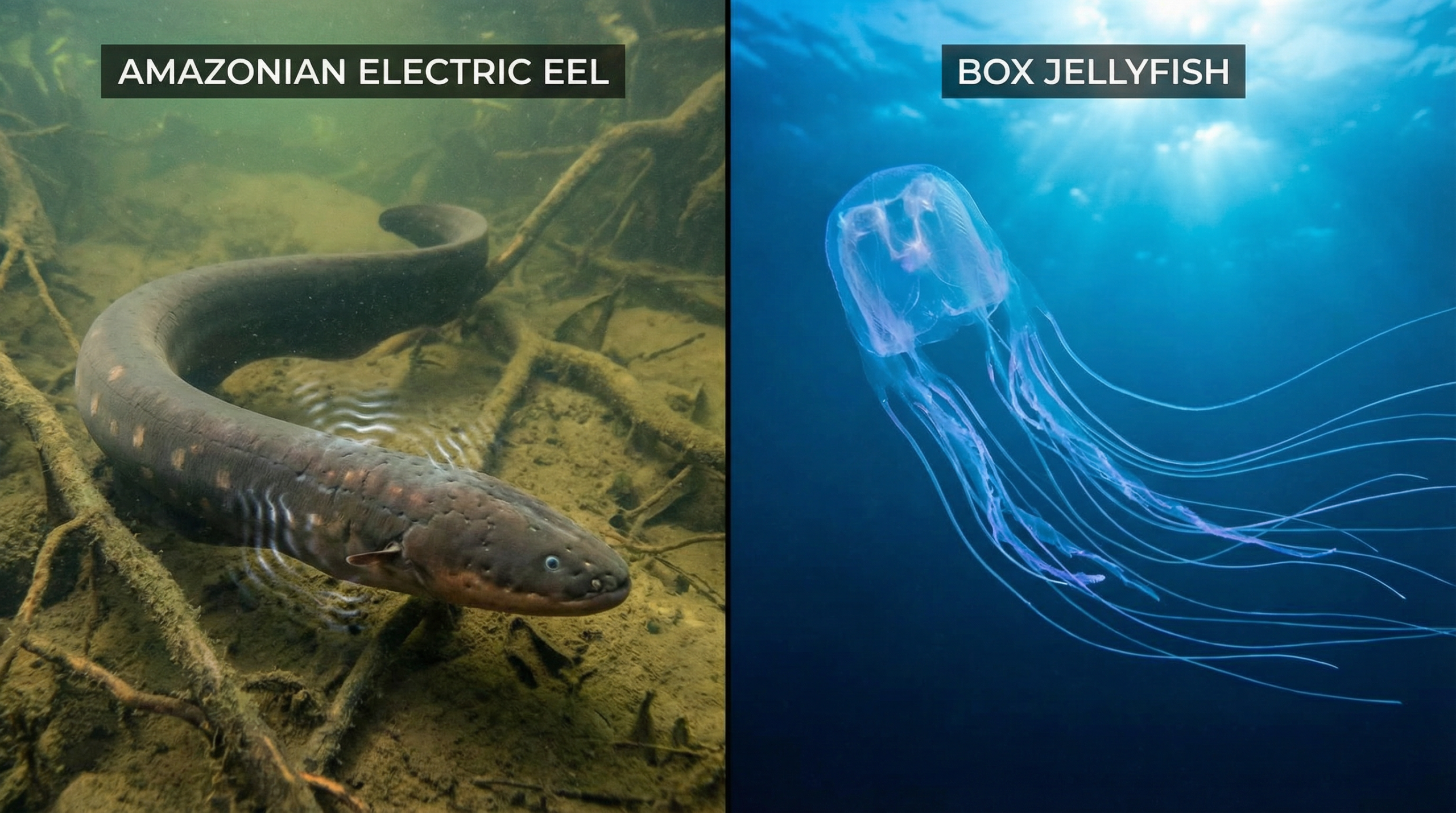
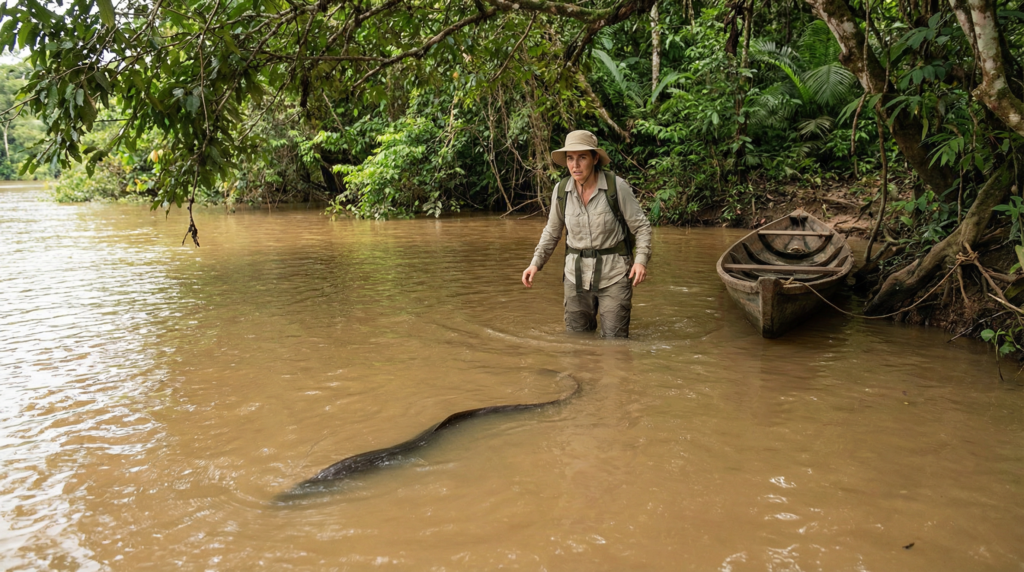
I will never forget standing waist-deep in the murky waters of the Amazon basin in 2019, watching my colleague Marco get absolutely wrecked by a juvenile electric eel. The man dropped like someone had cut his strings. Just… down. Into the water. We had to drag him out while he convulsed and screamed about his grandmother.
Three years earlier? A box jellyfish wrapped its tentacles around my forearm off the coast of Queensland. I genuinely believed I was dying. My heart went haywire. I couldn’t breathe right for twenty minutes.
So when people ask me what hurts more, an electric eel or jellyfish, I don’t give them some wishy-washy “it depends” answer. I’ve been there. I’ve got the scars, literal ones from the jellyfish, psychological ones from watching Marco lose control of his bladder.
Here’s the truth that will surprise you: most people obsess over the wrong question entirely. Pain is temporary. Survival is permanent. And the protocols for handling these two encounters? They’re polar opposites. Get them mixed up, and you’ve got real problems.
Let’s talk about how not to die. Or at least, how to minimize the suffering.
The “What & Why”: Understanding Nature’s Most Shocking Defense Mechanisms
Quick Answer for Those in a Hurry: Electric eel shocks deliver intense, immediate muscular pain through electrical discharge (up to 860 volts), while jellyfish stings cause prolonged burning sensations through venom injection. Treatment differs dramatically; eels require cardiac monitoring and muscular support, while jellyfish demand tentacle removal and species-specific first aid.
Now, why should you care about this right now?
Because ocean tourism is exploding. Ecotourism in South America has tripled since 2015. Australian coastal visits hit record numbers last summer. People are getting closer to these animals than ever before—snorkeling, diving, wade-fishing in places their grandparents never dreamed of visiting.
And they’re woefully unprepared.
I’ve watched tourists in Brazil try to pick up electric eels for photos. Seen backpackers in Thailand ignore jellyfish warning flags because the beach looked too perfect to skip. The ignorance isn’t stupidity—it’s simply that nobody teaches this stuff.
Schools don’t cover electric eel shock treatment. Your doctor probably hasn’t either. Most first-aid courses skip right past marine envenomation because, let’s be honest, it’s niche until it’s not. Until it happens to you or someone you love.
The core reality: Electric eels and jellyfish represent two completely different biological attack mechanisms. One is electrical. One is chemical. Treating them identically, which panicked people often do can make things significantly worse.
Your body doesn’t care about your vacation plans.
Deep Dive Section 1: The Electric Eel—Nature’s Living Taser
How Electric Eels Actually Work
Let’s kill a myth right now. Electric eels aren’t eels. They’re knifefish. Closely related to catfish, actually. I find this hilarious because it means every nature documentary you’ve ever watched has been perpetuating zoological misinformation.
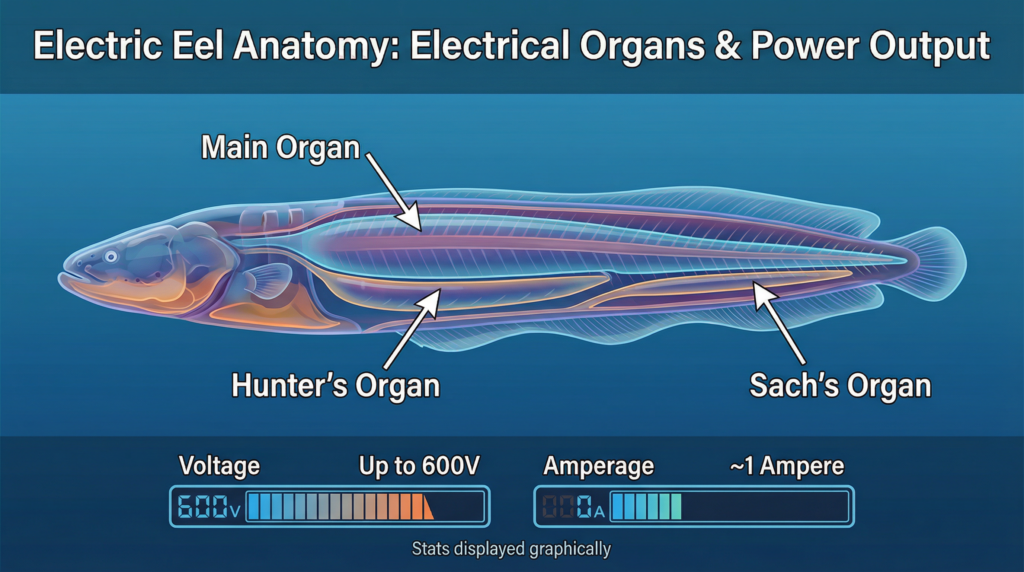
These creatures possess three specialized organs—the main organ, Hunter’s organ, and Sach’s organ—that function like biological batteries. Stacked like coins in a tube. When threatened or hunting, they discharge simultaneously.
The numbers are staggering:
- Up to 860 volts
- 1 ampere of current
- Enough power to knock a horse unconscious
- Can discharge 400 times per hour when agitated
But here’s what the documentaries don’t tell you. The voltage alone won’t kill a healthy adult human. Usually. It’s the secondary effects that’ll get you.
What Actually Happens During an Electric Eel Encounter
When that shock hits, your muscles contract involuntarily. All of them. At once. You can’t control your limbs. If you’re in water, which, obviously, you are, this becomes a drowning risk immediately.
I watched Marco’s legs stiffen so hard I heard his knee pop. He couldn’t swim. Couldn’t float. Couldn’t do anything except sink.
The electrical discharge also affects cardiac rhythm. Multiple shocks can trigger arrhythmias. Young people, old people, anyone with underlying heart conditions, they’re at elevated risk.
And the pain? It’s not like getting stung or burned. It’s like every muscle fiber in the affected area cramps simultaneously while someone jams a cattle prod into your nervous system. Instantaneous. Overwhelming. Then it fades but leaves behind this deep, throbbing ache that lasts hours.
The Danger Zone
Electric eels are most concentrated in:
- Amazon River basin
- Orinoco River system
- Northern South American freshwater bodies
They’re nocturnal feeders. Which means dawn and dusk wading? Terrible idea. They’re also attracted to splashing—they interpret it as prey struggling.
One researcher I interviewed in Manaus told me something chilling. “Americans wade into rivers, slapping the water to scare animals away. They’re basically ringing a dinner bell.”
Deep Dive Section 2: Jellyfish—The Beautiful Killers
Why Jellyfish Stings Vary So Dramatically
Not all jellyfish stings are created equal. This is crucial.
A moon jellyfish sting feels like mild nettles. Annoying. Not dangerous. You’ll whine about it, slap some cream on, and forget about it by dinner.
A box jellyfish sting from Chironex fleckeri? That can kill you in under five minutes. I’m not exaggerating. Children have died before their parents could carry them to the beach stairs.
The difference comes down to venom potency and delivery mechanism.
Jellyfish tentacles contain nematocysts, microscopic harpoon-like cells that fire on contact. Thousands of them. Millions, on some species. They inject venom directly under your skin, and that venom starts working immediately.
The Portuguese man o’ war, which technically isn’t a jellyfish but a siphonophore, because nature loves making taxonomy confusing, delivers stings that cause welts lasting weeks. People develop PTSD from bad encounters. I’m not joking about that.
The Pain Spectrum
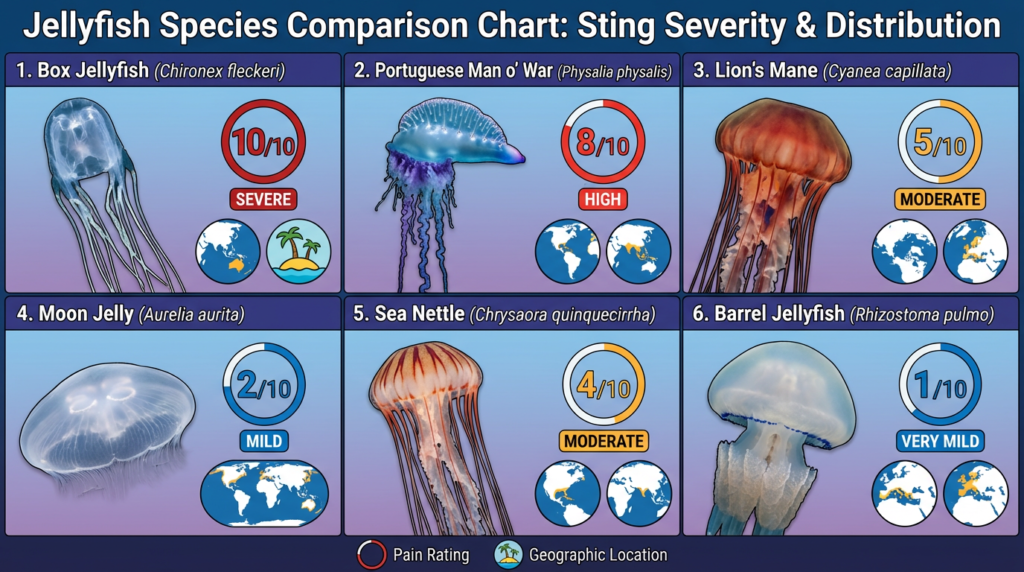
Let me break down jellyfish pain levels by species:
- Moon jellyfish: 2/10. Mild irritation.
- Lion’s mane: 5/10. Significant burning, potential allergic reaction.
- Portuguese man o’ war: 7/10. Intense, long-lasting, systemic symptoms are possible.
- Irukandji: 8/10. Relatively mild sting, but delayed syndrome causes crushing chest pain, anxiety, and a sense of impending doom.
- Box jellyfish: 10/10. Described as “being branded with a hot iron while someone pours acid into the wound.”
The Irukandji deserves special mention. It’s tiny—thumbnail-sized. You often don’t feel the initial sting. Then, twenty to forty minutes later, your body goes haywire. Blood pressure spikes. You experience something called “Irukandji syndrome,” which includes profound psychological dread. Patients report absolute certainty that they’re dying.
Some actually do.
Geographic Hotspots
High-risk jellyfish zones include:
- Northern Australia (October through May)
- Philippines
- Thailand’s Gulf Coast
- Hawaiian waters
- Florida during blooms
- Mediterranean during summer
The pattern isn’t random. Warming oceans are pushing jellyfish populations into new territories. Areas that were safe ten years ago aren’t necessarily safe now.
Actionable Strategy: How to Handle These Stings Safely
Electric Eel Protocol
Step 1: Get out of the water immediately.
This sounds obvious, but panic makes people stupid. Your primary risk isn’t the shock it’s drowning afterward. If you’re with someone who’s been shocked, grab them by their clothing or hair (yes, really) and drag them to shore.
Step 2: Check for cardiac symptoms.
Irregular heartbeat. Chest pain. Difficulty breathing. Any of these means you’re calling emergency services immediately. Don’t wait to see if it improves.
Step 3: Treat muscle damage.
Those involuntary contractions can cause strains, sprains, and even tears. Ice the affected areas. Keep the person still. Monitor for compartment syndrome in severe cases—if a limb swells dramatically and becomes extremely painful, that’s an emergency.
Step 4: Watch for secondary drowning.
If the person went under, even briefly, water may have entered their lungs. Monitor them for six to eight hours for coughing, difficulty breathing, or unusual fatigue.
Jellyfish Protocol
Step 1: Exit the water carefully.
Tentacles may still be attached. Don’t thrash.
Step 2: Remove tentacles without triggering more nematocysts.
This is where people screw up constantly. Don’t rinse with fresh water. The osmotic change causes unfired nematocysts to discharge. Use seawater.
Step 3: Identify the species, if possible.
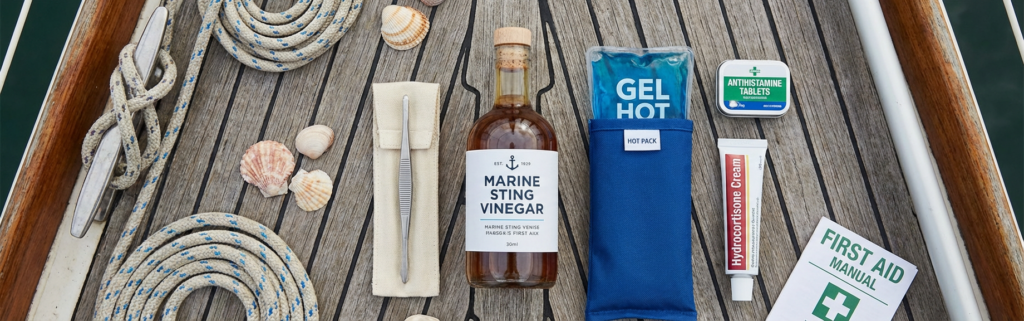
Treatment varies. For box jellyfish in Australia, pour vinegar liberally—it deactivates nematocysts. For Portuguese man o’ war, vinegar can make it worse. When in doubt, hot water immersion (113°F/45°C) helps neutralize most jellyfish venoms.
Step 4: Monitor for systemic symptoms.
- Difficulty breathing
- Chest tightness
- Nausea and vomiting
- Muscle cramps in areas far from the sting
- Severe headache
Any of these? Get to a hospital. Box jellyfish antivenom exists. It works. But only if you get there in time.
Step 5: Pain management.
Over-the-counter antihistamines help with mild stings. Hydrocortisone cream reduces inflammation. For severe stings, you’ll need prescription-strength intervention.
Common Myths and Mistakes Everyone Gets Wrong
“Urinating on jellyfish stings helps.”
No. Stop. This myth came from an old episode of Friends and has somehow persisted for decades. Urine’s variable pH can trigger additional nematocyst discharge. You’re making it worse while also being incredibly gross.
“Electric eels can’t shock you if you’re wearing rubber boots.”
Partially true, but misleading. Rubber provides insulation, sure. But if any part of your body touches the water directly? Current finds the path of least resistance. Through you.
“Dead jellyfish can’t sting.”
Absolutely false. Nematocysts remain active for hours, sometimes days after the jellyfish dies. Those pretty blue blobs on the beach? Still dangerous. Don’t let your kids poke them with sticks.
“All electric eel shocks require hospitalization.”
Overreaction. Minor shocks from smaller eels or glancing encounters often just hurt like hell without causing serious injury. Monitor, but don’t panic.
Final Thoughts: Respect Versus Fear
I’ve spent two decades studying these animals. Photographing them. Getting way too close to them on multiple occasions. And here’s what I’ve learned that nobody wants to hear.
Both of these creatures are more afraid of you than you are of them.
Electric eels shock defensively. Jellyfish don’t hunt humans—you just happen to swim into their tentacles. Every painful encounter I’ve had came from my own carelessness. Not from malicious animal intent.
The real question isn’t what hurts more. It’s whether we’re prepared to share ecosystems with animals that evolution designed for maximum deterrence. Climate change is pushing species into new territories. Warming waters are extending jellyfish seasons. Habitat destruction is concentrating electric eels in smaller areas.
We’re going to encounter these animals more frequently. That’s a statistical certainty.
So here’s my challenge to you: Before your next beach vacation, your next eco-tour, your next wade-fishing adventure—learn the protocols. Pack the right supplies. Know where the nearest hospital is.
Will you take ten minutes to prepare for something that could save your life?
Leave a Reply