

When you think of seafood delicacies, jellyfish probably isn’t the first thing that comes to mind. However, the question “do people eat jellyfish?” has a fascinating answer that might surprise you. Yes, people absolutely do eat jellyfish, and they have been doing so for over 1,700 years! This ancient delicacy is enjoyed by millions of people worldwide, particularly in Asian countries, and is increasingly appearing on menus in Western nations. In this comprehensive guide, we’ll explore the surprising world of jellyfish consumption, including which species are edible, how they’re prepared, their nutritional benefits, and why this unusual food source might become even more important in the future.
The Surprising Answer: Do People Eat Jellyfish?
Do people eat jellyfish? The answer is a resounding yes. Approximately 12 million tons of jellyfish are caught annually for human consumption, with the global jellyfish market valued at around $5-6 million USD. While this practice may seem unusual to those in Western countries, jellyfish has been a traditional food source in Asian cuisine for centuries, particularly in China, Japan, Korea, Thailand, and throughout Southeast Asia.
Jellyfish is not only eaten—it’s considered a delicacy in many cultures, prized for its unique texture and its perceived health benefits. The practice of eating jellyfish dates back to around 300 AD in China, making it one of the oldest continuously consumed “exotic” seafood items in human history.
A Deep Dive into Jellyfish Eating History

The consumption of jellyfish has deep historical roots:
Ancient Origins
- China (300 AD): The earliest records of jellyfish consumption come from the Jin Dynasty in China, where it was documented as both a food source and traditional medicine
- Traditional Chinese Medicine: Jellyfish has been used for centuries to treat conditions like high blood pressure, arthritis, and bronchitis
- Coastal Necessity: Early coastal communities discovered that certain jellyfish species were safe to eat and could be preserved for long periods when properly processed
Cultural Significance
In Chinese culture, jellyfish is often served at:
- Wedding banquets (symbolizing good fortune)
- New Year celebrations
- Important family gatherings
- Formal dinners as a cold appetizer
The preparation of jellyfish is considered an art form, with master chefs spending years perfecting traditional processing and cutting techniques.
Which Cultures Eat Jellyfish Today?

When asking “do people eat jellyfish?“, it’s important to understand that this practice is widespread across multiple cultures:
Primary Consumers:
China:
- The world’s largest consumer and producer of edible jellyfish
- Consumed in various provinces, particularly coastal regions
- Available in markets, restaurants, and as street food
- Annual consumption estimated at thousands of tons
Japan:
- Known as “kurage” in Japanese
- Popular in traditional dishes and modern fusion cuisine
- Often served as a cold appetizer or in salads
- Prized for its crunchy texture
Korea:
- Called “haepari naengchae”
- Commonly served as a cold salad with spicy dressing
- Popular summer dish due to its cooling properties
- Available in most traditional Korean restaurants
Southeast Asia:
- Thailand, Malaysia, Indonesia, and Vietnam all have jellyfish dishes
- Often incorporated into salads, soups, and stir-fries
- Street food vendors commonly sell prepared jellyfish
- Growing commercial jellyfish fisheries
Emerging Markets:
United States:
- Increasing availability in Asian restaurants and markets
- Growing interest among adventurous food enthusiasts
- Some high-end restaurants featuring jellyfish on tasting menus
Europe:
- Appearing in innovative restaurants
- Mediterranean countries exploring local jellyfish species
- Food scientists researching jellyfish as sustainable protein
Australia:
- Growing interest due to large Asian population
- Research into utilizing abundant jellyfish populations
- Some restaurants offering jellyfish dishes
Edible Jellyfish Species: Not All Are Created Equal
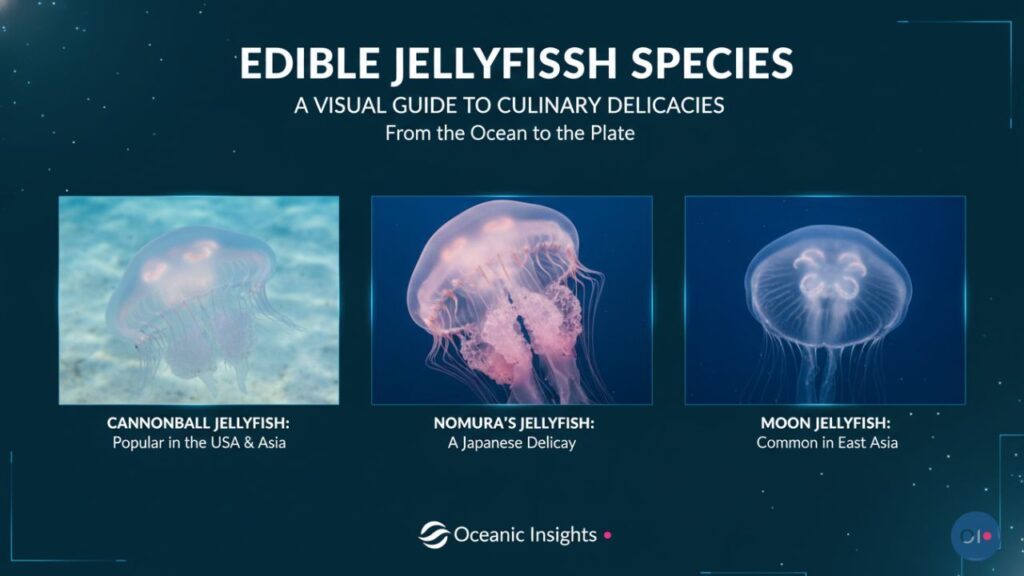
An important aspect of answering “do people eat jellyfish?” is understanding that only specific species are considered safe and suitable for consumption:
Commercially Harvested Edible Species:
Rhopilema esculentum (Flame jellyfish):
- The most commercially important edible species
- Primarily found in Chinese and Japanese waters
- Large, meaty bells ideal for processing
- Mild flavor that absorbs seasonings well
Stomolophus meleagris (Cannonball jellyfish):
- Common in the Atlantic Ocean and Gulf of Mexico
- Increasingly harvested for Asian markets
- Firm texture
- Major commercial fishery in the southeastern United States
Rhopilema hispidum:
- Found in Southeast Asian waters
- Popular in Thai and Malaysian cuisine
- Slightly different texture from R. esculentum
Aurelia aurita (Moon jellyfish):
- Found worldwide
- Eaten in some regions but less commercially important
- Thinner bells require different processing
Catostylus mosaicus:
- Found in Australian waters
- Subject of research for commercial harvesting
- Potential future food source
Non-Edible Species:
It’s crucial to note that many jellyfish species are:
- Too toxic for consumption
- Too small to process effectively
- Lacking in desirable texture or substance
- Containing compounds that remain harmful even after processing
Never attempt to eat jellyfish you catch yourself without expert guidance on species identification and proper processing.
What Does Jellyfish Taste Like?

One of the most common questions people have beyond “do people eat jellyfish?” is what it actually tastes like:
Flavor Profile:
Taste:
- Very mild, almost neutral flavor
- Slightly salty (even after desalination)
- Some describe a faint oceanic taste
- Primarily acts as a vehicle for other flavors
- Absorbs marinades, dressings, and sauces readily
Texture:
- The main appeal of jellyfish is texture, not flavor
- Described as crunchy, crisp, or “al dente”
- Similar to very crisp cucumber or pickled vegetables
- Slightly chewy but should snap when bitten
- Unique mouthfeel unlike any other seafood
Quality Indicators:
Well-prepared jellyfish should be:
- Crisp and crunchy
- Clean-tasting without fishy odor
- Translucent or white in color
- Free from sliminess
Poor-quality or improperly prepared jellyfish:
- Becomes slimy or mushy
- May have unpleasant odor
- Can be overly salty or bitter
- Loses the desirable crunchy texture
Nutritional Value: Is Jellyfish Healthy?
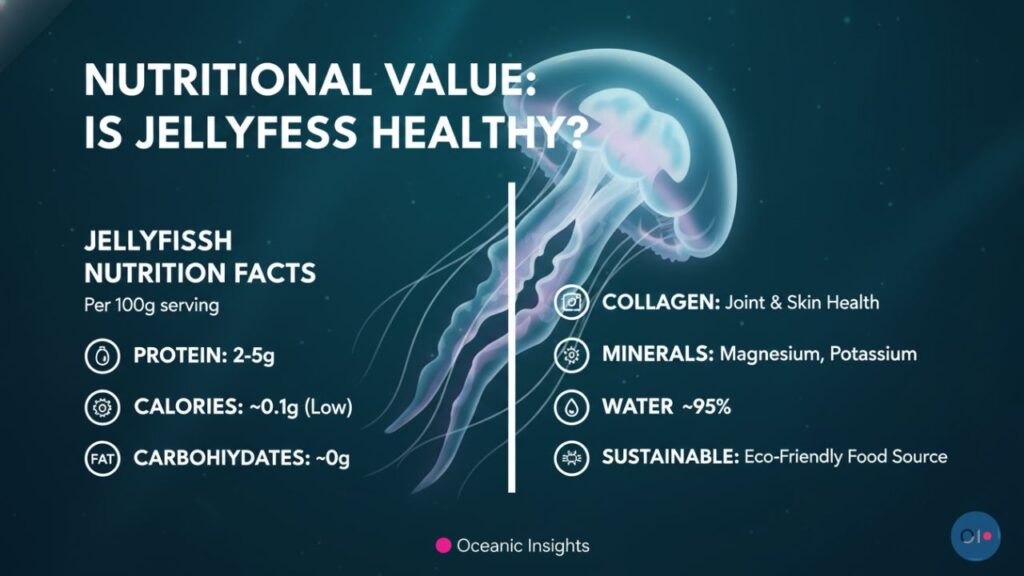
When people ask “do people eat jellyfish?“, they often want to know if it’s actually nutritious. The answer is surprisingly positive:
Nutritional Composition (per 100g of prepared jellyfish):
Macronutrients:
- Calories: 30-40 calories (very low)
- Protein: 5-6 grams
- Fat: Less than 1 gram
- Carbohydrates: 0-1 gram
- Water content: 94-96%
Minerals:
- High in calcium
- Good source of iron
- Contains magnesium
- Provides selenium
- Contains zinc and copper
Other Components:
- Collagen (5-10% of dry weight)
- Various amino acids
- Some B vitamins
- Omega-3 and omega-6 fatty acids (trace amounts)
Health Benefits:
Research suggests jellyfish consumption may offer:
- Weight Management: Extremely low in calories and fat
- Collagen Source: May support skin and joint health
- Blood Pressure: Traditional use for hypertension has some scientific support
- Anti-inflammatory: Contains bioactive compounds with potential anti-inflammatory properties
- Protein Source: Low-fat, low-calorie protein
- Memory Function: Some studies suggest compounds in jellyfish may support cognitive health
Considerations:
- High sodium content (from processing) – requires soaking to reduce
- Not a complete protein source
- Very low in calories means limited energy value
- Should be part of a balanced diet, not a sole food source
How Is Jellyfish Prepared and Processed?
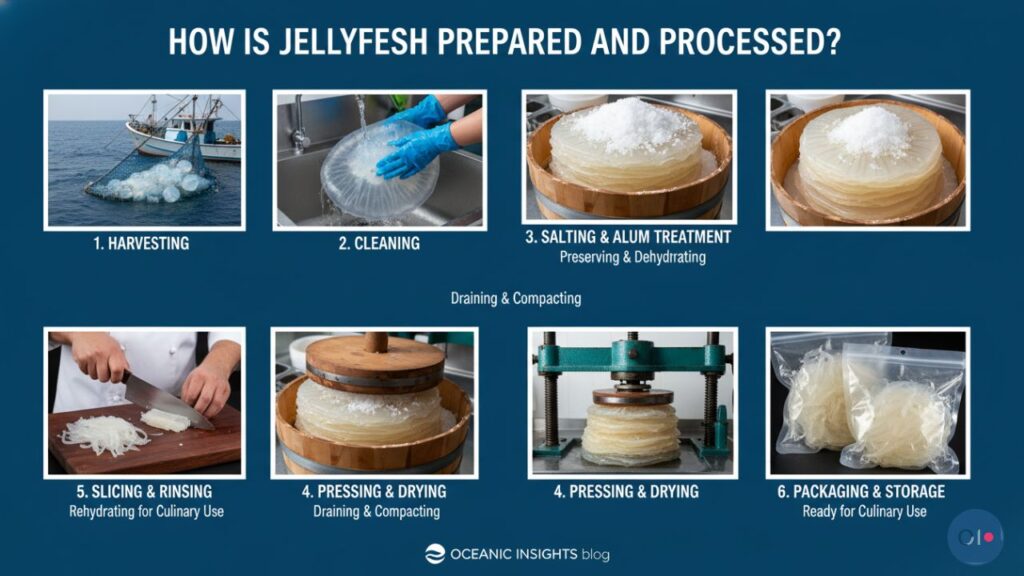
The processing of jellyfish is complex and essential for safety and palatability:
Traditional Processing Method:
1. Harvesting:
- Jellyfish caught using nets during peak seasons
- Must be processed quickly after catching
- Only the bell (oral arms in some species) is used
- Tentacles typically removed and discarded
2. Cleaning:
- Thorough washing to remove mucus and debris
- Removal of internal organs and reproductive parts
- Multiple rinses in fresh water
3. Salt-Alum Treatment:
- Jellyfish layered with salt and alum (aluminum potassium sulfate)
- Alum removes water and creates firm texture
- Salt preserves and dehydrates
- Process repeated 2-3 times over 2-3 weeks
- Results in semi-dried, preserved product
4. Storage:
- Can be stored for months in salt
- Maintains texture and safety
- Traditional preservation method still widely used
Modern Preparation:
Ready-to-Eat Processing:
- Some companies now offer pre-desalted jellyfish
- Vacuum-packed for convenience
- Refrigerated or frozen products available
- Reduced preparation time for consumers
Preparation for Cooking:
Before eating, processed jellyfish must be:
- Soaked in multiple changes of water (6-12 hours) to remove salt
- Blanched briefly in hot water (causes it to curl and firm up)
- Shocked in ice water
- Sliced into thin strips or desired shapes
- Marinated or dressed according to recipe
Popular Jellyfish Dishes Around the World

For those wondering “do people eat jellyfish?” and how it’s served, here are popular preparations:
Chinese Dishes:
Jellyfish Salad (凉拌海蜇):
- Cold appetizer
- Thinly sliced jellyfish
- Sesame oil, soy sauce, vinegar, sugar dressing
- Often mixed with cucumber
- Garnished with sesame seeds and cilantro
Jellyfish with Chicken:
- Shredded chicken and jellyfish strips
- Light soy-based dressing
- Common banquet dish
Japanese Preparations:
Kurage Salad:
- Marinated in rice vinegar
- Mixed with cucumber and seaweed
- Light sesame dressing
- Served as appetizer
Sunomono:
- Jellyfish in sweet vinegar dressing
- Sometimes includes seafood like octopus
- Refreshing summer dish
Korean Dishes:
Haepari Naengchae:
- Cold jellyfish salad
- Spicy gochugaru (red pepper) dressing
- Mixed with vegetables
- Popular summer dish
Southeast Asian:
Thai Jellyfish Salad:
- Spicy-sour dressing (nam pla, lime, chilies)
- Fresh herbs (cilantro, mint)
- Peanuts for crunch
- Often includes shrimp or seafood
Vietnamese Preparations:
- Added to spring rolls
- Served with goi (Vietnamese salad)
- Light fish sauce dressing
Modern Fusion:
Western Interpretations:
- Jellyfish sashimi with ponzu
- Jellyfish tacos with Asian slaw
- High-end tasting menu components
- Molecular gastronomy applications
Where to Buy and Try Jellyfish
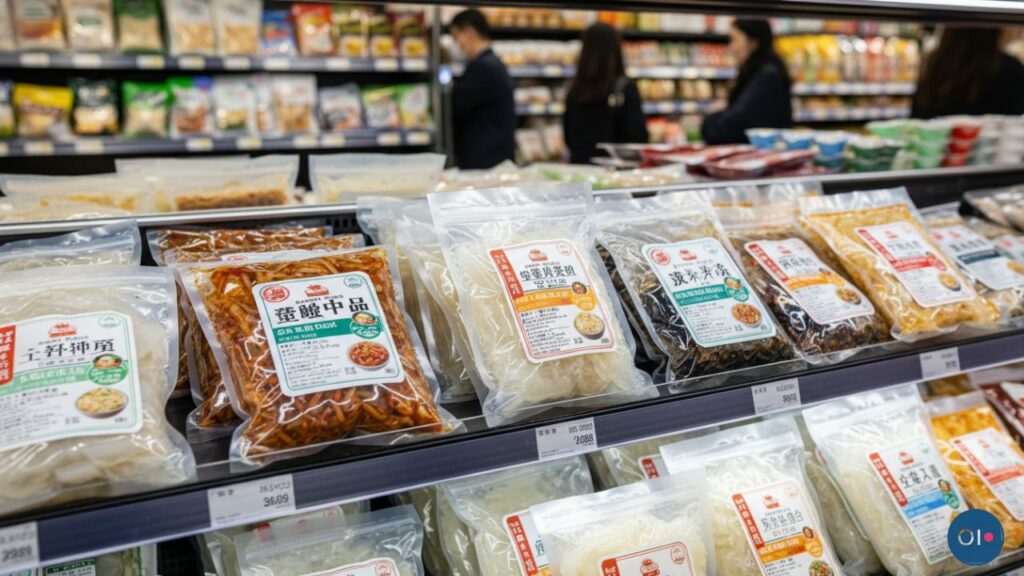
If you’re curious about whether people eat jellyfish and want to try it yourself:
Purchasing Options:
Asian Grocery Stores:
- Most well-stocked Asian markets carry processed jellyfish
- Usually found in refrigerated or dried seafood section
- Sold in vacuum-packed bags or containers
- Prices typically $5-15 per pound
- Look for brands from China, Japan, or Korea
Online Retailers:
- Amazon carries several brands
- Specialty Asian food websites
- Direct from importers
- Frozen or vacuum-sealed options
Restaurants:
- Chinese restaurants (especially Cantonese or Sichuan)
- Japanese izakayas and sushi restaurants
- Korean restaurants
- Thai and Vietnamese restaurants
- High-end fusion restaurants
What to Look For:
Quality indicators when buying:
- Clean, white or translucent appearance
- No strong odor
- Firm texture (if you can feel through packaging)
- Recent packaging date
- Reputable brand names
- Proper refrigeration at point of sale
Sustainability: The Environmental Angle
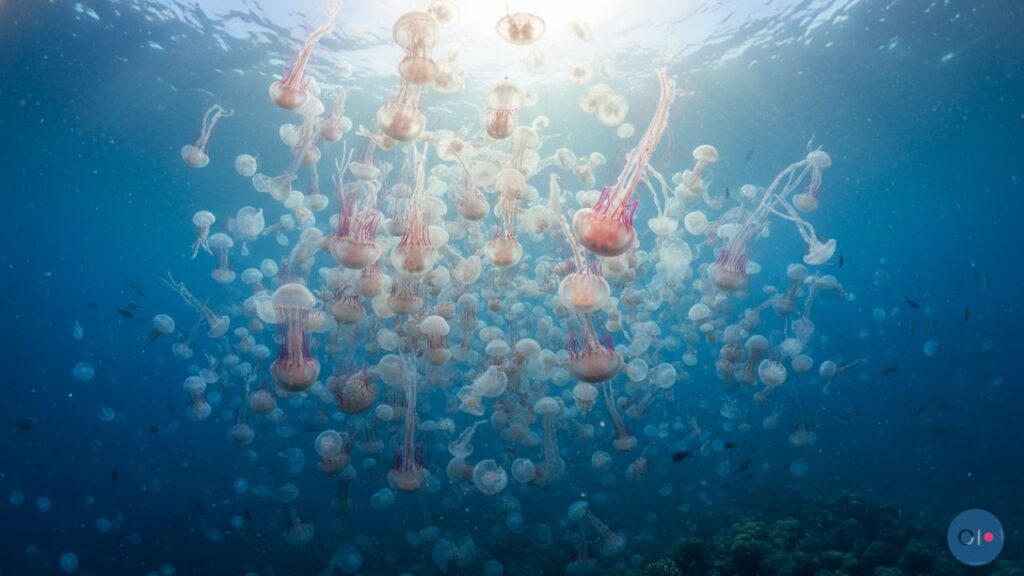
An important aspect of “do people eat jellyfish?” relates to sustainability:
The Jellyfish Boom:
Climate change and overfishing have led to:
- Massive increases in jellyfish populations worldwide
- “Jellyfish blooms” causing ecological problems
- Interference with fishing operations
- Clogging of power plant cooling systems
- Beach closures affecting tourism
Eating Jellyfish as a Solution:
Environmental benefits:
- Harvesting abundant jellyfish populations
- Utilizing an underexploited resource
- Reducing pressure on overfished species
- Turning an environmental problem into food security
- Low carbon footprint compared to traditional livestock
Challenges:
- Need for species identification expertise
- Developing new fisheries and processing infrastructure
- Consumer acceptance in Western markets
- Ensuring sustainable harvesting practices
- Quality control and food safety standards
Future Potential:
Scientists and food security experts suggest jellyfish could be:
- A sustainable protein source for growing populations
- An adaptation to changing ocean ecosystems
- A commercial opportunity for coastal communities
- Part of the solution to overfishing
The UN Food and Agriculture Organization (FAO) has noted jellyfish as a potential food source deserving more attention.
Safety Considerations and Concerns
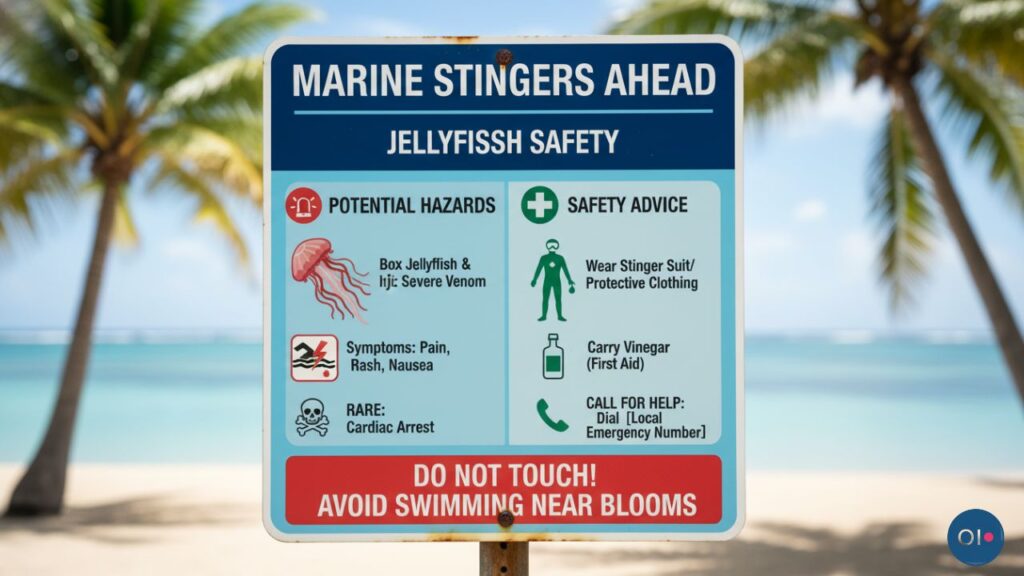
When considering “do people eat jellyfish?“, safety is paramount:
Processing is Essential:
- Never eat raw, unprocessed jellyfish
- Proper salt-alum treatment removes toxins
- Processing destroys harmful bacteria
- Traditional methods developed over centuries for safety
- Only buy from reputable sources
Potential Risks:
Toxicity:
- Some species contain toxins even after processing
- Importance of correct species identification
- Risk of contamination if improperly processed
Allergies:
- Some people may be allergic to jellyfish protein
- Can cause reactions similar to shellfish allergies
- Try a small amount first if you’ve never eaten it
Aluminum Content:
- Traditional alum processing adds aluminum
- Modern processing reduces this
- Generally considered safe in moderate consumption
- Those concerned about aluminum should limit intake
Heavy Metals:
- Like all seafood, jellyfish can accumulate heavy metals
- Source and water quality matter
- Reputable suppliers test for contaminants
Safe Consumption Tips:
- Purchase only properly processed jellyfish from trusted sources
- Store according to package directions
- Desalt thoroughly before eating
- Start with small portions
- Buy from established brands or restaurants
- Check for recalls or safety notices
The Growing Western Interest in Jellyfish

The question “do people eat jellyfish?” is increasingly being asked in Western countries:
Driving Factors:
Culinary Curiosity:
- Growing interest in authentic Asian cuisine
- Food adventure tourism
- Celebrity chef endorsements
- Food blogger exposure
Sustainability Movement:
- Environmentally conscious consumers
- Interest in alternative proteins
- Reducing reliance on overfished species
- Lower environmental impact foods
Health Trends:
- Low-calorie, high-protein foods
- Collagen supplements popularity
- Ancient food wisdom
- Keto and low-carb diets
Challenges to Western Adoption:
- Cultural unfamiliarity: Jellyfish as food seems strange
- Texture aversion: Unique mouthfeel may not appeal to all
- Limited availability: Not yet mainstream in Western markets
- Preparation knowledge: Requires specific techniques
- Marketing: Needs rebranding for Western audiences
Success Stories:
- High-end restaurants successfully featuring jellyfish
- Positive food critic reviews
- Growing presence in cosmopolitan cities
- Young, adventurous diners embracing the trend
- Food festivals featuring jellyfish dishes
Cooking with Jellyfish: A Simple Recipe
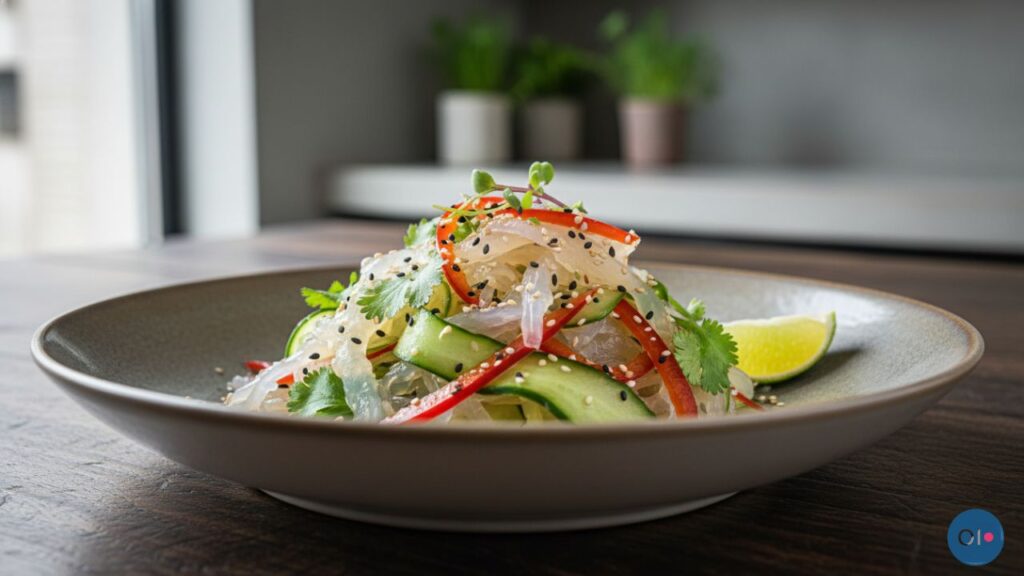
For those wondering if people eat jellyfish and want to try preparing it:
Easy Jellyfish Salad Recipe:
Ingredients:
- 200g processed jellyfish (from Asian market)
- 1 cucumber, julienned
- 2 tablespoons sesame oil
- 1 tablespoon soy sauce
- 1 tablespoon rice vinegar
- 1 teaspoon sugar
- 1 teaspoon sesame seeds
- Fresh cilantro
- Chili oil (optional)
Instructions:
- Prepare jellyfish:
- Soak in cold water for 6-8 hours, changing water 3-4 times
- Drain and rinse thoroughly
- Bring water to boil, turn off heat
- Add jellyfish for 2-3 seconds (will curl up)
- Immediately transfer to ice water
- Drain and cut into thin strips
- Make dressing:
- Whisk together sesame oil, soy sauce, vinegar, and sugar
- Assemble:
- Mix jellyfish and cucumber
- Toss with dressing
- Refrigerate for 30 minutes
- Garnish with sesame seeds and cilantro
- Add chili oil to taste
- Serve:
- Best served cold as an appetizer
- Consume within 24 hours for best texture
The Future of Jellyfish Consumption

Looking ahead, the answer to “do people eat jellyfish?” may become even more relevant:
Predicted Trends:
Increased Global Consumption:
- Expanding beyond traditional Asian markets
- Growing acceptance in Western countries
- New product development (dried snacks, supplements)
- Restaurant menu expansion
Scientific Innovation:
- Improved processing techniques
- Aluminum-free processing methods
- Novel food products using jellyfish ingredients
- Jellyfish-derived collagen supplements
- Bioactive compound extraction
Commercial Development:
- New fisheries establishment
- Automated processing facilities
- Value-added product lines
- International trade expansion
- Aquaculture possibilities
Sustainability Focus:
- Jellyfish as climate-change adaptation
- Utilizing abundant populations
- Reducing food waste
- Alternative protein source
- Ocean ecosystem management
Challenges Ahead:
- Regulatory frameworks for new markets
- Quality control standardization
- Consumer education
- Sustainable harvesting methods
- Food safety protocols
- Marketing and branding
Conclusion: The Surprising World of Jellyfish Cuisine
So, do people eat jellyfish? Absolutely—and they have been for nearly two millennia. What may seem unusual or exotic to Western audiences is a beloved delicacy enjoyed by millions across Asia, prized for its unique crunchy texture, nutritional benefits, and cultural significance.
Jellyfish consumption represents:
- A fascinating culinary tradition spanning centuries
- A sustainable food source for the future
- A low-calorie, protein-rich food option
- An environmental solution to jellyfish overpopulation
- A growing trend in global cuisine
As our oceans change and jellyfish populations boom, this ancient food source may become increasingly important. Whether you’re an adventurous foodie curious about new flavors, someone interested in sustainable eating, or simply wondering about this unusual delicacy, jellyfish offers a unique culinary experience.
Key Takeaways:
- Yes, people eat jellyfish, primarily in Asian countries
- Only specific species are edible and must be properly processed
- Jellyfish is prized for texture rather than flavor
- It’s nutritious, low-calorie, and high in protein and collagen
- Proper preparation is essential for safety and palatability
- Jellyfish consumption may increase globally due to sustainability concerns
- It’s available in Asian markets and specialized restaurants worldwide
If you’re curious about trying jellyfish, start by visiting an authentic Chinese or Japanese restaurant where it’s prepared by experts. You might discover that this ancient delicacy, enjoyed by millions for centuries, deserves a place in the modern global cuisine. The surprising answer to “do people eat jellyfish?” is not just yes—but that this unique food may play an increasingly important role in our sustainable food future.
Leave a Reply