
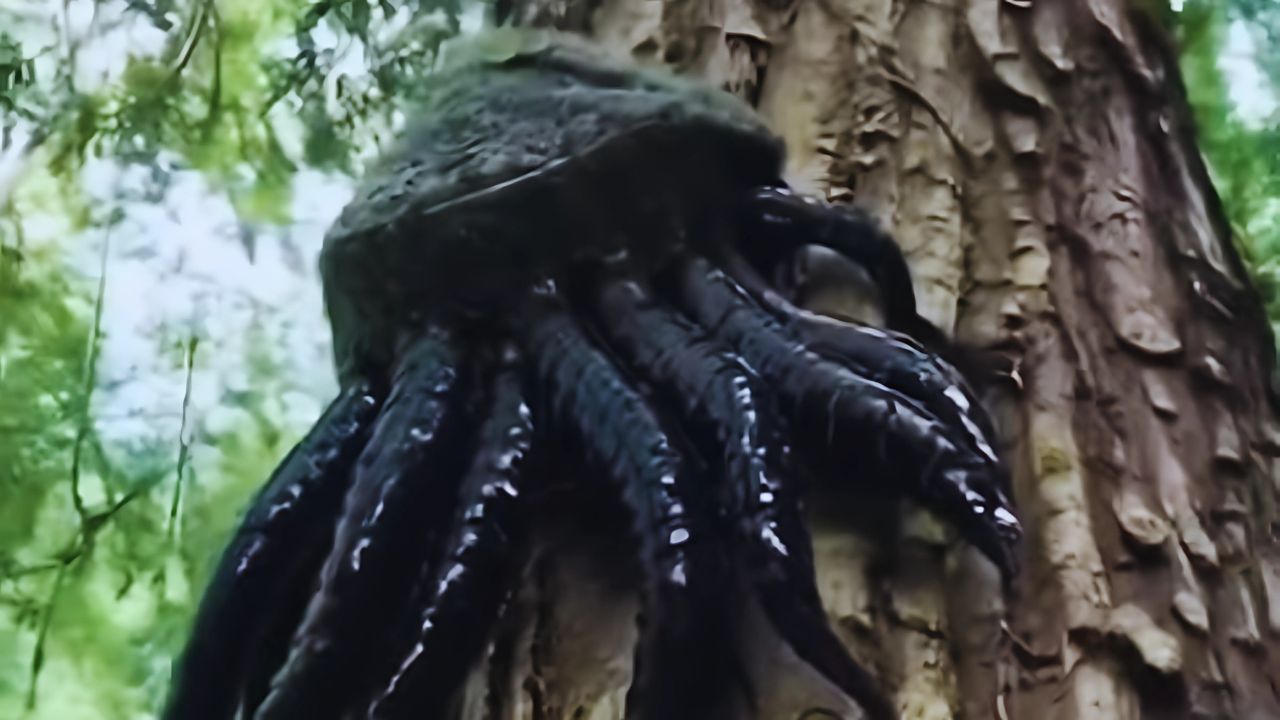
The question “are North American Pine Squids real?” has perplexed many. While some skeptics dismiss their existence as folklore, there is compelling evidence supporting their reality. Scientific research and eyewitness accounts have provided substantial insights into the life of these elusive creatures, challenging the myths that surround them.
Numerous myths have contributed to the skepticism surrounding the North American Pine Squid. Stories of their ability to camouflage flawlessly or possess supernatural powers have often overshadowed factual information. However, recent studies have begun to debunk these myths, focusing instead on the squid’s natural adaptations and behaviors that allow it to navigate its environment effectively.
The reality of the North American Pine Squid is supported by ongoing research and exploration. Marine biologists continue to conduct studies to gather evidence, using advanced technology and methodologies to document their presence. These efforts aim to provide a clearer understanding of the squid’s characteristics and dispel the myths that have long shrouded this fascinating creature.
Habitat and Distribution of North American Pine Squids
The North American Pine Squid inhabits specific marine environments characterized by unique ecological conditions. These squids are typically found in the temperate waters of the North American coasts, thriving in environments rich in biodiversity. Their habitat ranges from shallow coastal areas to deeper oceanic regions, each offering distinct advantages and challenges.
Understanding the distribution of North American Pine Squids is crucial for conservation efforts. These creatures are known to inhabit a range of locations, including the Atlantic Ocean and parts of the Pacific. Their distribution is influenced by factors such as water temperature, availability of prey, and the presence of predators. Mapping these habitats helps researchers identify critical areas for protection and study.
The habitat of the North American Pine Squid is characterized by its complexity and dynamism. Factors such as seasonal changes, ocean currents, and human activities can significantly impact their distribution. By studying these factors, scientists aim to develop strategies that ensure the sustainability of their habitats and the preservation of these remarkable creatures for future generations.
Unique Characteristics of North American Pine Squids
The North American Pine Squid is renowned for its unique characteristics, setting it apart from other marine species. One of its most distinctive features is its ability to change color. This adaptation serves as a defense mechanism, allowing the squid to blend seamlessly with its surroundings and evade predators. The squid’s skin contains specialized cells called chromatophores, enabling rapid color changes.
In addition to their remarkable camouflage abilities, North American Pine Squids possess highly developed sensory organs. These include large eyes that provide excellent vision in low-light conditions, allowing them to detect prey and navigate their environment effectively. Their keen sense of touch and chemoreception further enhance their ability to interact with their surroundings and communicate with other squids.
Another notable characteristic of the North American Pine Squid is its locomotion. Unlike many other marine creatures, these squids employ a unique mode of propulsion known as jet propulsion. By expelling water through a specialized siphon, the squid can achieve swift and agile movements, making it a formidable predator and an elusive target for researchers attempting to study its behavior.
The Diet of North American Pine Squids
The diet of the North American Pine Squid is diverse and reflects its role as a predator within the marine ecosystem. These squids primarily feed on small fish, crustaceans, and other cephalopods. Their hunting strategy relies on their keen senses and agility, allowing them to capture prey with precision and efficiency.
To sustain their energy needs, North American Pine Squids exhibit opportunistic feeding behavior. They have been observed preying on a wide range of marine organisms, adapting their diet based on availability and environmental conditions. This adaptability ensures their survival in varying habitats and contributes to their resilience in the face of ecological changes.
The feeding habits of North American Pine Squids also highlight their role in maintaining the balance of marine ecosystems. By preying on smaller organisms, they help regulate their populations, preventing overpopulation and ensuring the health of the ecosystem as a whole. This ecological function underscores the importance of understanding and preserving their natural habitats.
Behavior and Adaptations of North American Pine Squids
The behavior of the North American Pine Squid is a subject of intrigue and study. These squids exhibit complex social behaviors, often forming schools for protection and hunting. Their communication involves a combination of visual signals, such as color changes, and tactile interactions, enabling them to coordinate effectively within their groups.
Adaptations are a key aspect of the North American Pine Squid’s survival strategy. Their ability to rapidly change color not only serves as a defense mechanism but also plays a role in communication. These color changes can convey information about their emotional state, reproductive readiness, or alert others to potential dangers in the vicinity.
The North American Pine Squid’s behavioral adaptations also include their reproductive strategies. These squids engage in elaborate courtship displays, utilizing color changes and intricate movements to attract mates. Understanding these behaviors provides insights into their life cycle and the challenges they face in reproducing successfully in their natural habitats.
The Role of North American Pine Squids in the Ecosystem
North American Pine Squids play a crucial role in maintaining the health and balance of marine ecosystems. As predators, they help regulate the populations of their prey, preventing overpopulation and contributing to the overall stability of the ecosystem. Their presence influences the distribution and abundance of other marine organisms, highlighting their ecological importance.
In addition to their role as predators, North American Pine Squids serve as prey for larger marine animals. This positions them as a vital link in the food web, transferring energy and nutrients through the ecosystem. Understanding their interactions with other species is essential for assessing the health of marine environments and predicting the impact of environmental changes.
The ecological role of the North American Pine Squid underscores the need for conservation efforts aimed at preserving their habitats and populations. By protecting these squids, we safeguard the intricate web of life that depends on their presence. This highlights the interconnectedness of marine ecosystems and the significance of each species within it.
Conservation Status and Threats to North American Pine Squids
The conservation status of North American Pine Squids is a matter of concern due to various environmental and anthropogenic threats. Habitat destruction, pollution, and climate change pose significant challenges to their survival. These factors can disrupt their natural habitats, alter food availability, and increase vulnerability to predation.
Efforts to protect North American Pine Squids require a comprehensive understanding of the threats they face. Conservation initiatives focus on preserving their habitats, reducing pollution, and mitigating the impacts of climate change. Collaborative efforts between scientists, policymakers, and local communities are crucial for developing effective strategies that ensure the long-term survival of these remarkable creatures.
Public awareness and education play an essential role in conservation efforts. By raising awareness about the ecological importance of North American Pine Squids and the threats they face, it is possible to garner support for protective measures. This collective effort is vital for safeguarding the future of these squids and the ecosystems they inhabit.
Fascinating Facts About North American Pine Squids
Here are some intriguing facts about North American Pine Squids that highlight their uniqueness and importance within the marine ecosystem:
- Color Changing Abilities: Their ability to change color rapidly is not just for camouflage but also for communication and signaling.
- Highly Intelligent: These squids display remarkable problem-solving skills and learning abilities, indicative of their high intelligence among marine invertebrates.
- Jet Propulsion: Their mode of locomotion through jet propulsion makes them one of the fastest and most agile predators in the ocean.
- Complex Social Structures: They form sophisticated social structures, often engaging in coordinated hunting and defense strategies.
- Ecological Indicator: Their presence and health can serve as indicators of the overall health of marine ecosystems.
These fascinating facts underscore the need for continued research and conservation efforts to protect these remarkable creatures and their habitats.
Conclusion: The Importance of Understanding North American Pine Squids
Understanding the North American Pine Squid is crucial for appreciating the complexity and intricacy of marine ecosystems. These creatures, with their unique adaptations and ecological roles, offer valuable insights into the functioning of marine environments and the interconnectedness of life within them.
The mysteries surrounding the North American Pine Squid highlight the need for ongoing research and exploration. By investing in scientific studies and conservation initiatives, it is possible to uncover more about these enigmatic creatures and ensure their survival for future generations. Protecting their habitats and addressing the threats they face is essential for maintaining the health and balance of our oceans.
In conclusion, the North American Pine Squid serves as a reminder of the wonders of the natural world and the importance of preserving its diversity. By understanding and protecting these remarkable creatures, we contribute to the sustainability of marine ecosystems and the well-being of our planet.
Leave a Reply