
The Classification of Whale Fishes
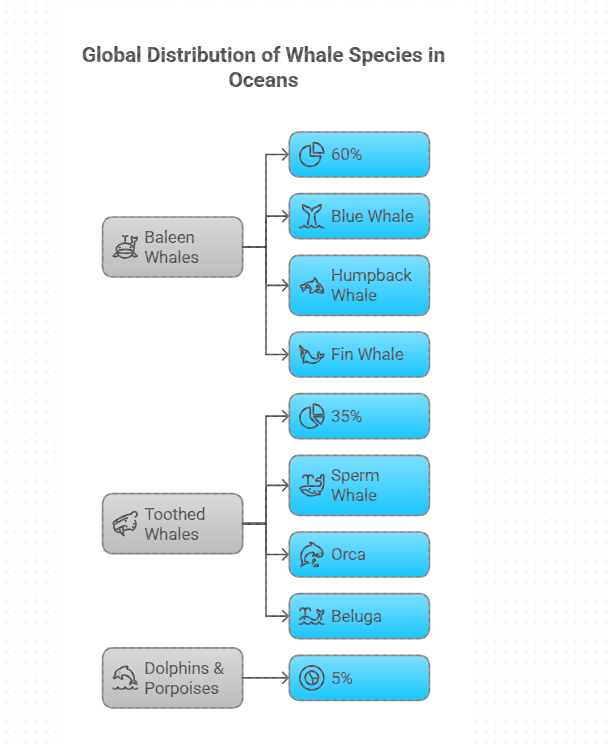
he ocean is like a massive book that contains thousands of pages and words filled with mysterious life forms. The whale fishes, one of the captivating creatures found is notably astonishing, but what intrigues deeper is their classification. This creature belongs to the broad classification under the order Cetacea which includes both whales and dolphins. This order is organized into two suborders. Mysticeti which are the baleen whales and Odontoceti, the toothed whales.
Understanding this classification reveals fascinating features surrounding whale fishes for marine biologists and enthusiasts to uncover. The Mysticeti are well-known filter feeders and possess baleen plates that sieve smaller organisms out of the water. Whereas the Odontoceti echolocates to hunt prey even in the darkest depths of the ocean which is a distinct sonar system specially designed for ocean hunting.
Classification of whale fishes provides insights into behavioral diets, habitats, and oceans where they are marooned. With this, one would gain better understanding regarding how these animals interact not only with their environment but with each other too. This knowledge exchange can serve as a guide for more nuanced conservation approaches and helps fathom the complexity of marine ecosystems.
The Main Types of Whale Fishes
The first classifications of whale fishes are known as baleen and toothed whales. They both contain difference species and within each group there are many distinct qualities.
Baleen Whales
Blue Whale: The biggest animal on earth, gained its title because of the size and blue-gray coloring.
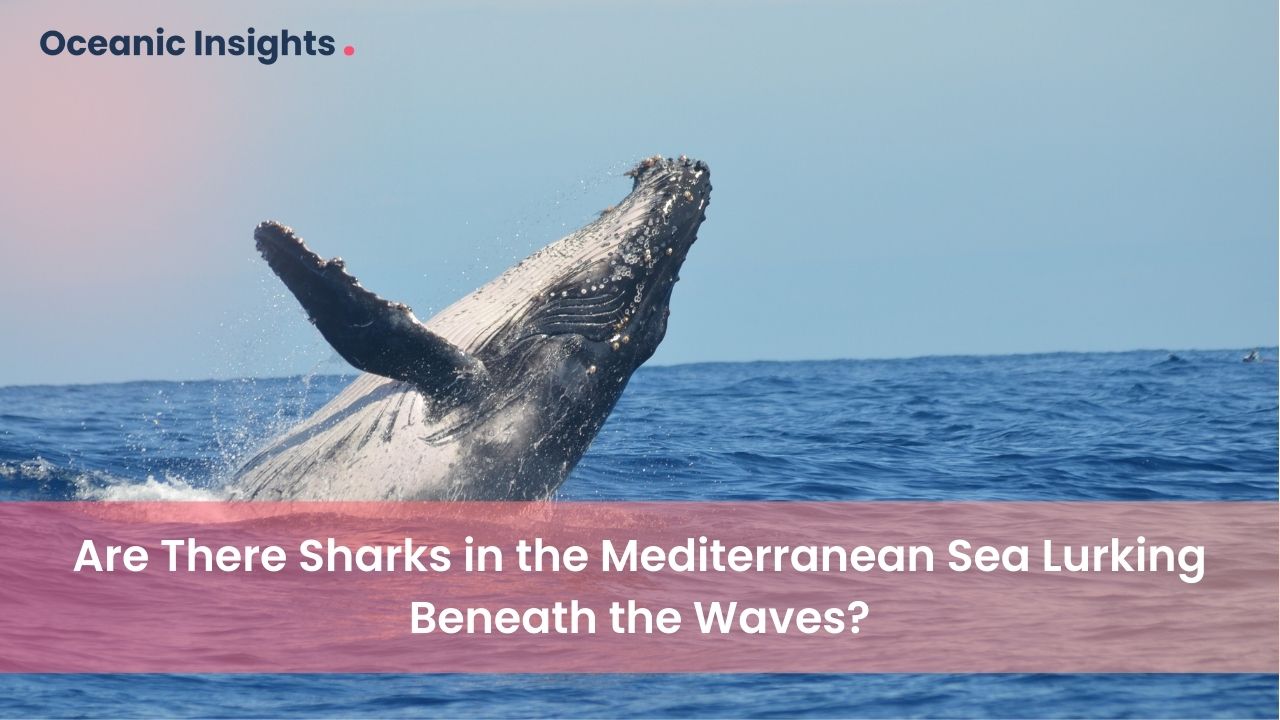
Humpback Whale: Known for its amazing artistic songs and leaping performances.
Gray Whale: Familiar for traveling long distances along pacific shores.
Toothed Whales
Sperm Whales: Known for its head size and its ability to dive deep.
Orca (Killer Whale): Intelligent, social, and travels in pods.
Beluga Whale: Their whale shape, vocal ability, and white skin set them apart.
The initial differences above are more than mere labels in biology; behind them lie numerous evolutionary triumphs over the eons. All these varieties of integrating life forms have culminated in the intricate interdependence of life and sustainment in the sea.
Unique Characteristics of Each Type of Whale Fish
Not only does each whale fish differ in orders and species, they have also developed traits that make them most startling. Outside of elevation difference in speciesCetacea order,each whale fish displays remarkable traits.
Baleen Whales
Blue Whale: Aside from their massive size, blue whales possess a heart that is the size of a small car, allowing them to pump blood through their body. Their one-of-a-kind lunge feeding technique helps them filter enormous amounts of water through their baleen plates.
Humpback Whale: Humpback whales are famous for their intricate songs which have the ability to travel great distances under water. The forelimb fins are the longest of all whale species, improving their maneuverability as well as thermoregulation.
Gray Whale: Equipped with a strong body, the gray whales have a series of ‘knuckles’ along their back instead of a dorsal fin, giving them a rather unique look. They are what you would call bottom feeders, feeding on tiny crustaceans that can be found buried within sediments that they stir up.
Toothed Whales
Sperm Whale: Having the largest brain out of any living creature, sperm whales have intricate social relations as well as hunting practices. They primarily prey upon giant squid which makes having the ability to dive deeper than 2,000 meters a necessity.
Orca (Killer Whale): Known for their striking black and white colors, orcas are the only known cetaceans to hunt other whales, causing them to be known as apex predators. They are well known for having diverse hunting techniques which are tailored to their surroundings.
Beluga Whale: Belugas are social creatures of the Arctic and sub-Arctic regions and are famous for their variety of vocal sounds. Their necks are flexible which allow them to nod and turn their heads which is unlike most whales.
These remarkable traits not only illustrate the species’ adaptations but also explain their ecological functions and evolutionary development. Knowing these traits makes it easier for researchers and conservationists to protect them.
Habitat and Distribution of Whale Fishes
Whale fishes are found in a variety of oceanic regions. Each species has adapted to live in their specific conditions that suit their way of life and feeding. Their habitat and distribution are essential in conservation and management strategies.
Baleen Whales
Like other whales, baleen whales migrate between breeding and feeding areas. Also, they travel great distances around the world. An example is the blue whale, which is found in all oceans except the Arctic, where it is located in deep offshore waters. Also, the humpback whale is one of the most migratory species, moving from polar feeding areas to tropical breeding grounds. Gray whales are found mainly in the North Pacific and are noted for their coastal migration routes.
Toothed Whales
Toothed whales have a more extensive range as they often follow their prey. Sperm whales are found in deep sea waters and continental shelves because they can dive deeply. Orcas are versatile animals as they occupy all oceans and range from the arctic to the antarctic. Beluga whales are mostly found in arctic and subarctic regions, where they easily navigate through icy waters.
The range of whale fishes not only demonstrates their adaptability but also emphasizes the difficulties they experience due to the constantly changing environment. Global warming, pollution, and other human factors are changing the surroundings of these marine animals which makes it important to protect these places.
Distribution And Habitat Of Whale Fishes
Each species of whale fishes occupy diverse marine biomes and spaces, each suiting to specific conditions that fulfill the need of lifestyle and feeding habits of them. For the conservation and management of these species, understanding their habitat and distribution is of utmost importance.
Baleen Whales
These species of whales are known to undertake long migrations from the their breeding to feeding grounds. Almost all the oceans except Arctic has blue whale who ideally is found in deep offshore waters. Altogether in the course of her long journey, humpback whale migrates seasonally from polar breeding areas to tropical feeding areas. Gray whales mostly inhabit the North Pacific and are famous for their coastal migratory routes.
Toothed Whales
It is clear that the distribution of toothed whales is more varied since it depends on the availability of food. Their population is spread from deep oceanic waters to continental shelves. Regions best characterize the orca, which is all-encompassing, inhabiting all the oceans from the Arctic to the Antarctic. Beluga also swims in the Arctic and the sub-Arctic regions, easily maneuvering through ice-capped waters.
Their distribution is not only a showcase of adaptability, but also marks the struggles of changing ocean conditions that whales have to confront. Shrinking habitats due to climate change, pollution leaks, and unmonitored human activities makes it essential to protect these areas.
Their presence marks the sustenance of life and balance in the oceans, for they are the most essential creatures in marine ecosystems. Simply put, sustenance and balance defines whale fishes, making them truly remarkable.
Engineering a new ecosystem in oceans was the vital role of whale fishes because of how much sinew uses were able to adapt. The depend on these creatures sees a shift in the food web. It is personified whale fishes that are referred to as “ecosystem engineers”.
Through their feeding behavior of overmanning the population kills use out of prey like krill and squid. This allows precisely regulation of the balance ecosystem.
Nutrient Distribution
When the whales dive to feed in the deep ocean, and come back up to breathe, they transport nutrients from the ocean’s depths to the surface waters. This “whale pump” process boosts the surface waters and aids phytoplankton development. Phytoplankton, which is important for carbon capture and climate change mitigation, forms the foundation of the marine food chain.
Biodiversity and Habitat
The biodiversity of marine habitat is supplied by whale fishes. Small fish and even larger predators of the ocean are attracted leading to the formation of a dynamic ecosystem. Furthermore, dead whales enable deep-sea organisms to gain nutrients due to their carcasses, thus being a sustenance to diverse life forms.
Appreciating the role whales play in marine ecosystems helps justify whaling control. The consequences of losing whale species will endanger global ocean health along with the planet.
Threats Facing Whale Fish Populations
Whale fish are crucial link in the ocean and the diversity of life relies on them. Sadly their populations are heavily threatened due to human activities and environmental transformations.
Climate Change
Changes in climate are impacting how the ocean’s temperature, currents, and ice cover work, affecting the species’ distribution and abundance of the prey. This granulating effect results in changes to fish whale feeding and migration patterns, causing population declines. The death of sea ice also endangers beluga whales as they use icy habitats which further threatens their survival.
Pollution
Plastic waste, chemicals, and hazardous waste make up the greater part of pollution in the ocean and serve as a threat for whale fishes. Plastic ingestion results in blockages and internal wounds which can prove fatal. Other pollutants, chemicals also build up in the whale tissues resulting to health concerns, reproductive issues, and noise pollution. Shipping noise and industrial activity clutter communication and echolocation, leading to disorientation and heightened stress.
Hunting and Bycatch
Commercial whaling led to dramatic population decrease as a result of targeting whale fishes. Whaling is now deemed regulated but is still taking place in some areas for select species. Capture by accident of non-selected species in fishing gear is still regarded as a very big problem, especially regarding smaller toothed whales like dolphins and porpoises, also known as Bycatch.
As is evident, protecting whale fishes is more than safeguarding the species for guaranteeing the oceans’ defends. A concerted effort from governments, individuals, and organizations all over the globe is the solution to the problem.
Amazing Insights into Whale Fishes
These species offer endless surprises that grab the interest of everyone. Without further ado, here are some amazing facts about these creatures:
A heater of a giant’s size: The blue whale posses a heart the size of a small car in comparison, which sends vibrations throughout the water that can be detected from two miles away.
Long distance travelers: The Gray whale is one of very few mammals that can withstand migrational voyages, traveling an estimated 14,000 miles in radius from the Arctic which serves as a feeding ground to its breeding lagoons in Mexico.
Communication of a higher degree: Sperm whales are known to possess skills of deception as theirs songs can extend for a duration of hours at a time and are claimed to serve for purposes of communication.
A deep dive: The Sperm whale is known to swim beneath land for durations of up to an hour and a half while holding their breath and reaching depths of more than 3,000 feet to hunt for prey, primarily the giant squid.
Social Structures: An orca pod is an example of a family-centric social unit that is headed by the eldest female. Pods show different types of unique behaviours or a ‘tradition’ of sorts, and even way of talking or propusinc words within pods that differ are called sea socialects.
Thoughtfully crafted sets of rules guiding conservation efforts highlight the perfection and the depth of whale fishes, guiding whalists for whale fosters to preserve their prominence and contemporay value for people in actual world.
Conclusion: The Future of Whale Fishes
Collective measures taken in protecting and preserving the creatures have all the high hopes as for why implementation driven towards these efforts is what determines the future of whale fishes. The need to be concerned for these species can be championed by their nature of vertebrate or animal with civilization gained having portions of appendages alongside other parts.
Involving public and basic science exploratory programs or academy level scientific inquiries paired with class studies on whale fishes offers a fill scope for view if it captures and acheives relevancy of whale fish.
There is a chance for sustainable efforts made where human race as well as whale fishes find comfort with each other if these conjointly deal wisely about aggreable threats perceived.
Join the Fight: Embrace education also joined by so as to teach others on importance of whale fishes for marine life and to for ocean bottom, apart from embracing conservation orientated campaigns works.
The brain whale fishes halt in their navigation across the globe remain engaged longest offer tragies yet set marks for the rest to follow.
Leave a Reply